
It’s getting to be late summer, and I can feel the start of some cool autumn breezes in the evening. The foliage on the trees is getting to that deeper green, the days are noticeably shorter…and I’m excited for the coming season.
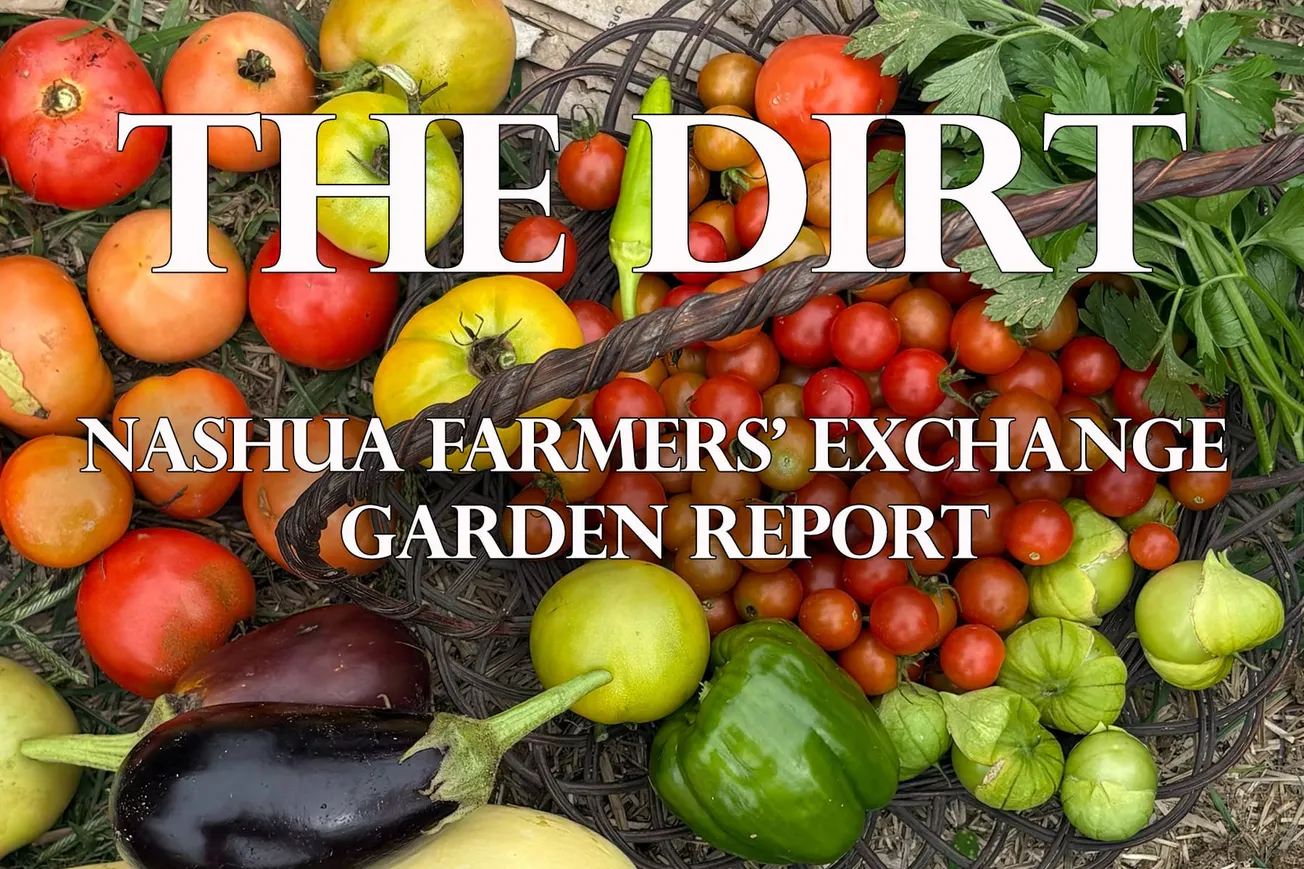
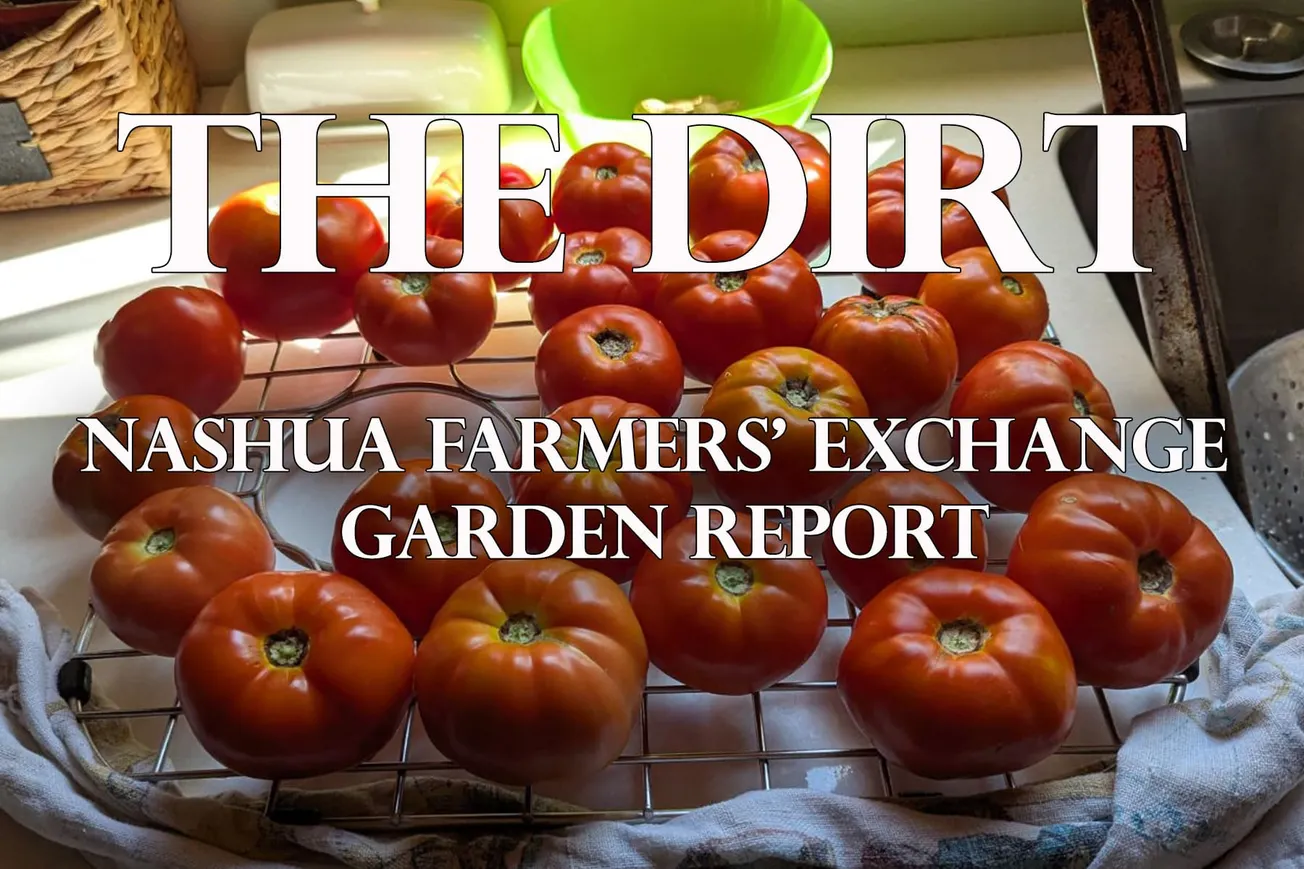
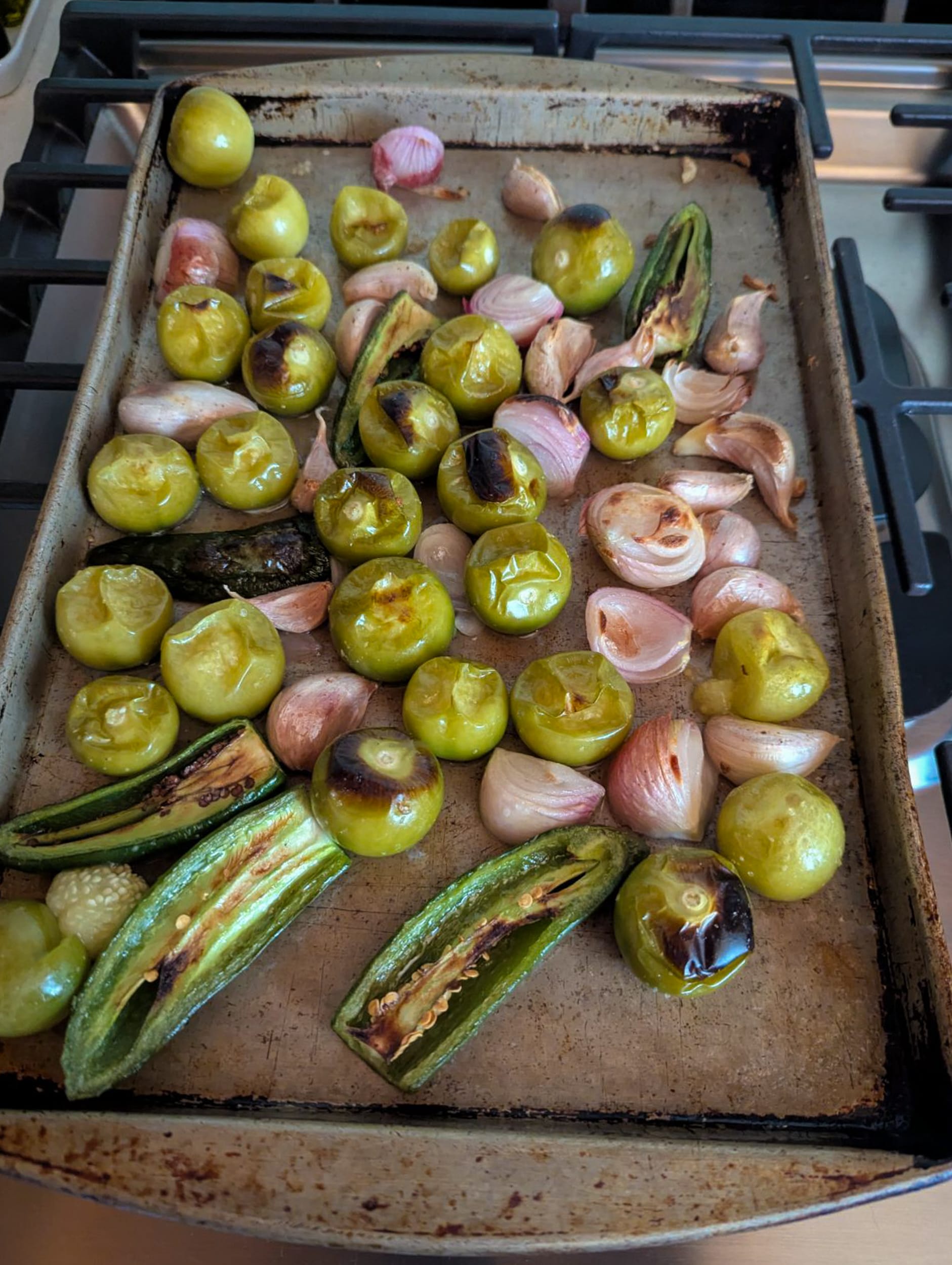
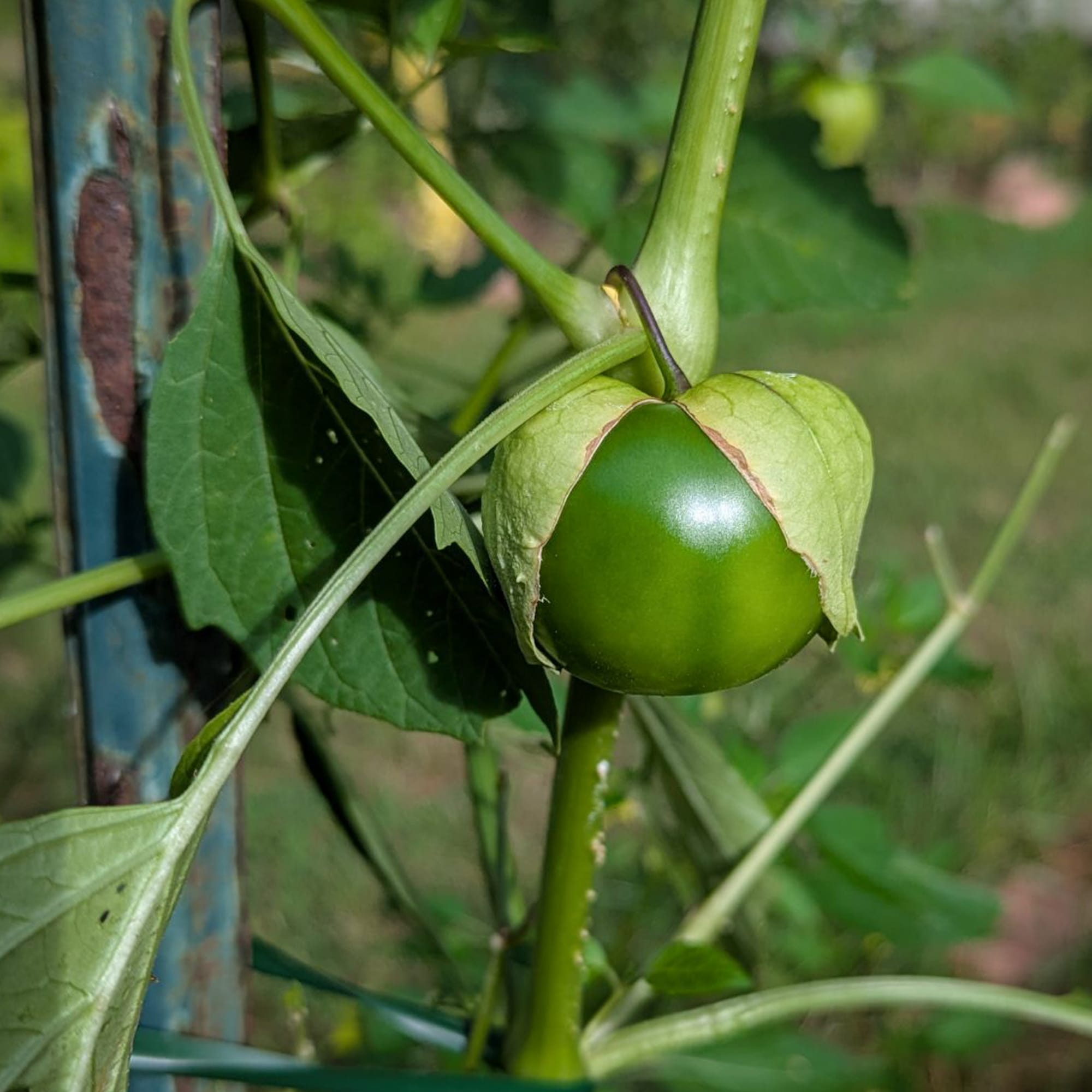
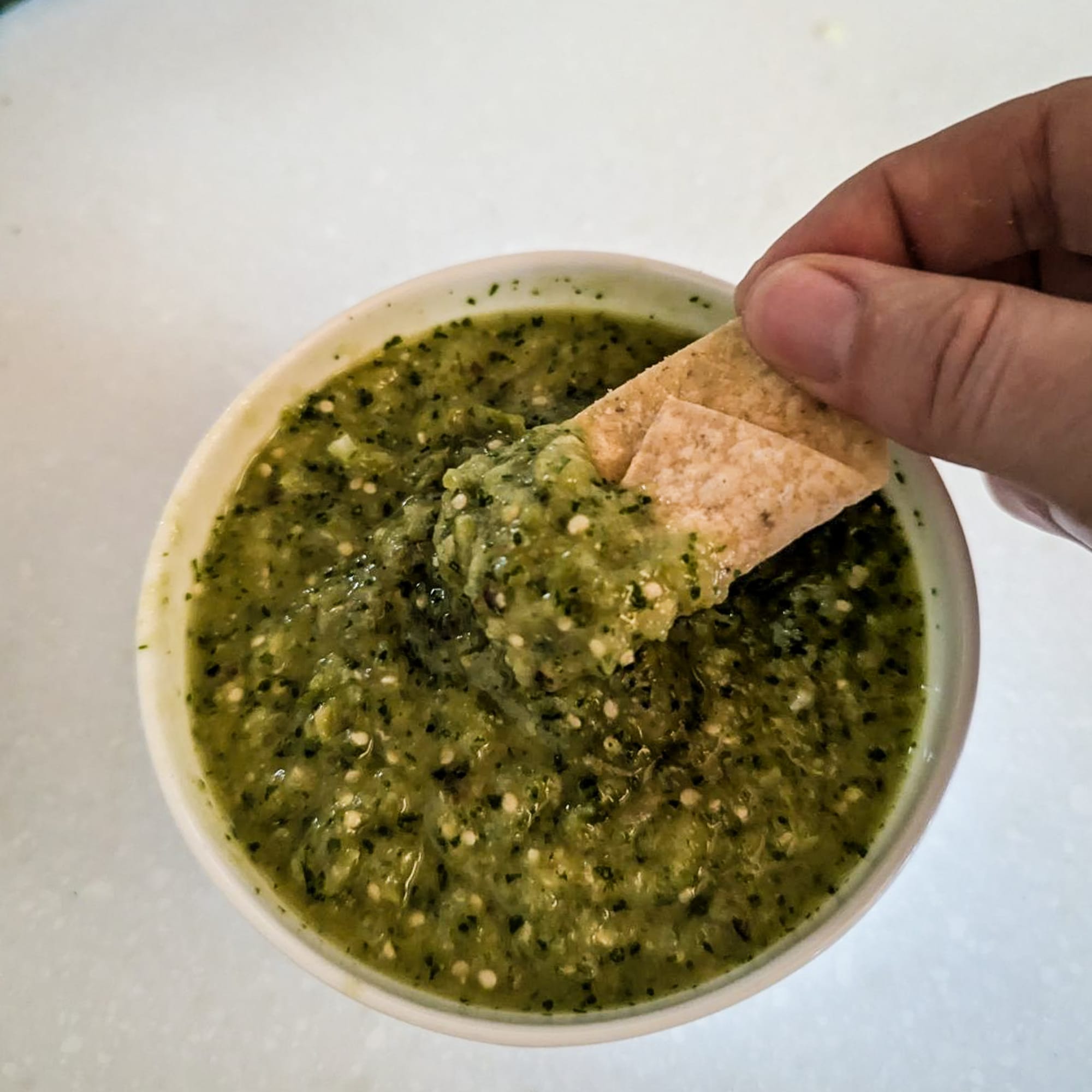
This week I’ve been harvesting and processing! It’s always a fun time of year–to see the work in the garden pay off with tasty crops that will hopefully last through at least part of the winter. I’ve been picking some lovely tomatoes (we haven’t had any critter thievery since we put up the temporary fencing), okra, and tomatillos. The tomatoes are getting ready to be processed; we’ll be getting them ready to can and save for the season. The okra is getting chopped and frozen, and I managed to pick enough tomas for a batch of salsa verde! I prefer roasting all my salsa veg under the broiler, rather than a boiled salsa. The flavors really come out and the salsa has a thicker texture. I am kicking myself for not getting my Fall garlic, Lhasa peppers (a lovely Thai pepper that has become a favorite), and cilantro into the garden this year! Am I plotting for next year already? Yes. All’s well that ends well, though. I went to one of my favorite farms, Kimball’s Fruit Farm in Pepperell, MA, and grabbed bunches of beautiful cilantro, garlic, some jalapeños–and I treated myself to some potatoes, peaches, and zucchini! All grown right on the farm. Life is good with such great farms around.
Before we can get too at ease in the late season, some things to consider and be on the lookout for. With the wet, humid weather there has been lots of powdery mildew evident on plants, but this isn’t something to overly worry about. I would recommend keeping an eye out for slug and snail damage. They thrive in moist weather and can do quite a lot of damage to your veggie garden, among other things. These buggers (actually they’re molluscs!) feed at night, so if you’re motivated, you can scout for them in the evening with a flashlight. They can skeletonize a plant if left unchecked. If you find slug or snail damage, I find that a baited iron phosphate (like Sluggo or Sluggo Plus) works well–plus it’s organic! Pro tip: don’t apply this pesticide at the base of the plant, or it will attract slugs right to the plant itself. Instead, give it a little space, and apply a perimeter around the plant.
I also recommend pulling any common, unwanted weeds that you can out of the garden. It’s a great time to get ahead of weeds like crabgrass or spotted spurge because they have not yet flowered and gone to seed. That is how infestations can grow and spread every year! Especially as we get closer to putting gardens to bed, weeding and then applying a natural weed control (I’ve been using Espoma Organic Weed Preventer–it’s all corn gluten, and gives you about 8 weeks of prevention). If you’re feeling really motivated to suppress those weeds in your perennial beds, you can also put a good layer of mulch after applying your weed control.
On the lawn front, get your lawn de-thatched, and apply a nice fertilizer! It’s the most important fertilizer application of the year because it is the beginning of your grass’ growth cycle. Also, it’s the absolutely perfect time to seed your lawn if you need to patch, overseed, or start a whole new lawn (if you need more advice see Nashua Farmers’ website or come by the store). It’s a great time to seed white clover too! I overseed my lawn with clover–I love it and my bees love it. An important reminder while you work in the yard: be aware of your stinging insects! It’s the time of year when they switch from a more protein-based diet, to a sugar/carbohydrate-based diet. That means they’re gonna love your picnics, and can get aggravated easily.
A note on prepping for the coming autumn: get your houseplants ready to come back inside for the cold seasons. It’s a great time of year to repot plants, whether they have outgrown their pot or just need a little zhuzhing up. One last recommendation: it’s a great time of year for transplanting, especially your more woody plants. The sun is lower in the sky and it’s less hot, making for an easier transition. I use a good soil amendment while I transplant, and give it a very generous, slow watering to ease root systems into their new homes.
Until next week, enjoy your late blooming plants! I’m in love with all the Joe Pye Weed and coneflowers showing off. Various types of golden rod are starting to bloom (though not my Seaside Golden Rod, I’ll be patient)--according to farming legend, blooming golden rod means there’s only 6 more weeks until our first frost!
Kate Ratta is the manager of the local feed store Nashua Farmers' Exchange, Inc. She has more than 10 years of experience working in the business owned by her aunt and uncle, Judy Ratta-Harrington and Gene Harrington, and will be contributing weekly garden reports. The store is located at 38½ Bridge Street in Nashua in the converted Boston & Maine and Concord Railroad station.