
The first week of September is in the books with some beautiful weather! I’ve been enjoying the cooling temperatures, but I am already missing the longer days of summer. One benefit of those shorter days? It’s still a great time to transplant perennials! The soil is still warm, but without the sun scorching so high in the sky–it’s a great recipe for successful transplanting. But! Don’t forget, we are still abnormally dry in southern New Hampshire. The soil is much more dry than most realize, so if you do go for transplanting, be sure to give those plants a good, thorough watering after getting them settled in their new homes. This is always a good practice to ease roots and help with transplant shock, but it is essential given the lack of rainfall we are enduring.
I am also starting my annual scheming for planting my Fall flower bulbs! At Nashua Farmers’ Exchange, we just received our first round of tulips, daffodils, allium, hyacinths, and more (plus more en route!). I am a terrible planner, but because I love my spring flowers so much, this year I am determined to do better. I lost one of my tulip beds this year–it got adequate sun, but it was quite close to the road. I suspect that between the salt from the winter plows, plus the soil-born tulip disease that has recently infected this area, has caused too hostile an environment to allow these flowers to flourish. I am starting to scout and plot where I want to plant my tulips, not mention all the other new varieties I want to try. Here’s some things to consider when planning your flower beds:
● Color schemes and plant heights
● When blooms occur: tulips, crocus, etc bloom at different times of the spring. Keep this in mind when considering what kind of effect you would like in the upcoming season. Even different breeds of tulips can bloom at different times, but this should be noted on the packages you select from a reputable seller.
● What does each plant type need? Does it need full sun? Will it tolerate partial shade?
● Are pests a concern? Be sure to use repellents & deterents for things like tulip bulbs (they are a rodent delicacy!). Don’t want to think about pests? Consider planting flowers like daffodils (these bulbs are toxic to mammals) or allium!
These are just a few considerations to make when planning your spring gardens. One last piece of advice on Fall flower bulbs, wait until at least mid-October to plant them. Feel free to visit the store, or our website for more information on fall bulbs and step-by-step instructions.
We have also had some questions about birds disappearing from yards lately. It could be that your feather friends are being harassed by predators, or even in search of more water in this dry weather. It is also a busy migration period for many birds. The last, more fun reason? Many birds have FINALLY gotten their fledges to leave the roost and have gone vacationing to the lakes region or down to the Cape. They’ll be back, along with new birds that plan on overwintering here–like my favorite, the Dark-Eyed Junco.
Moving on to buggin’ your gardens: squash bugs are still out in force, so keep an eye out for them on squash and other cucurbits. Powdery mildew is also flourishing, but it is too late in the season for treatment to be effective; you can usually still get a good harvest out of plants affected. We also saw a sample of Pseudocercospora leaf blotch on lilac! This fungal disease has been on the up and up–it presents as dark blotches on the leaves and can cause the plant to prematurely defoliate. Purple lilacs are quite hardy plants, so they can usually survive this without problem. However, if you are concerned, you can apply a copper fungicide in the springtime. At this point in the year, sprays and chemical means won’t offer much help.
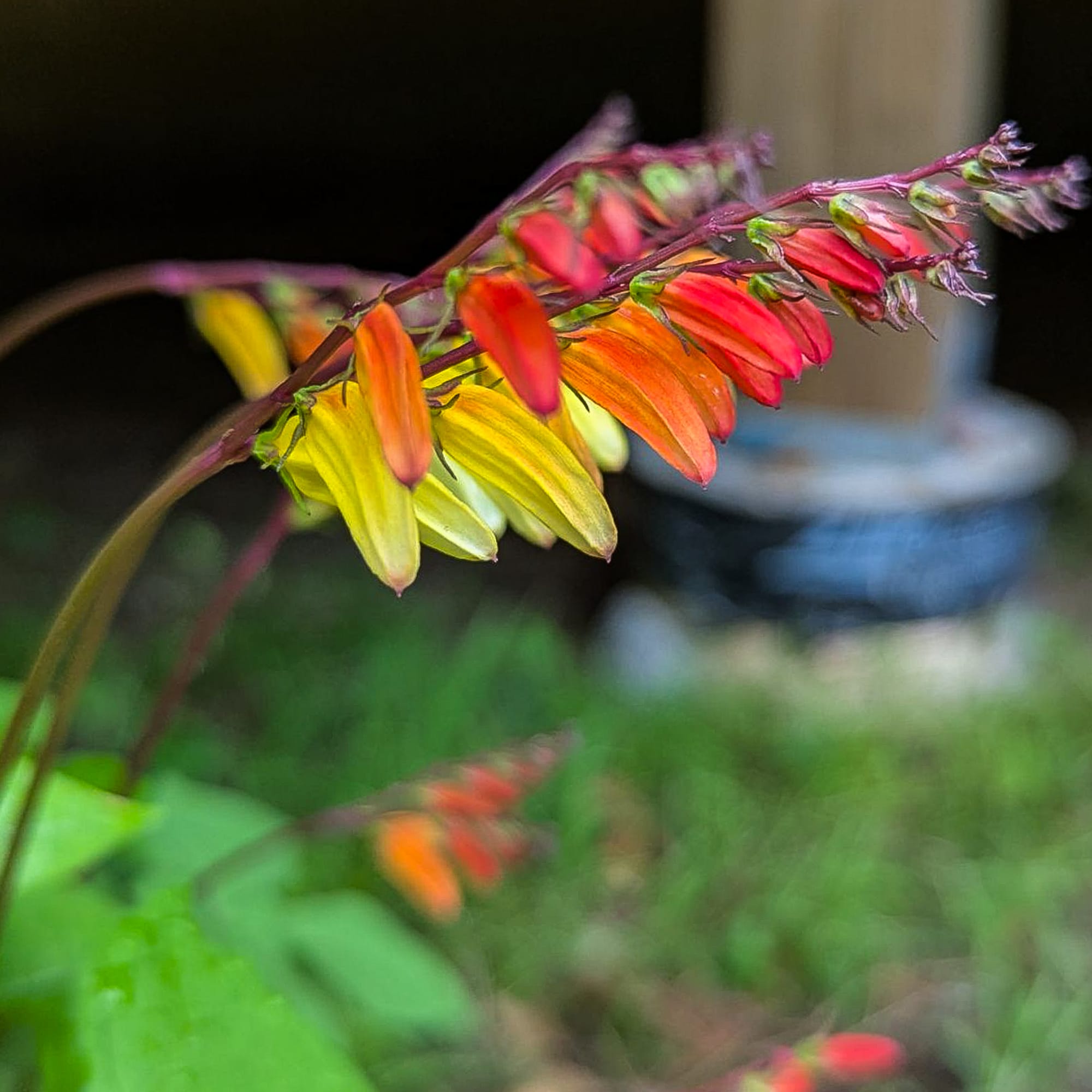
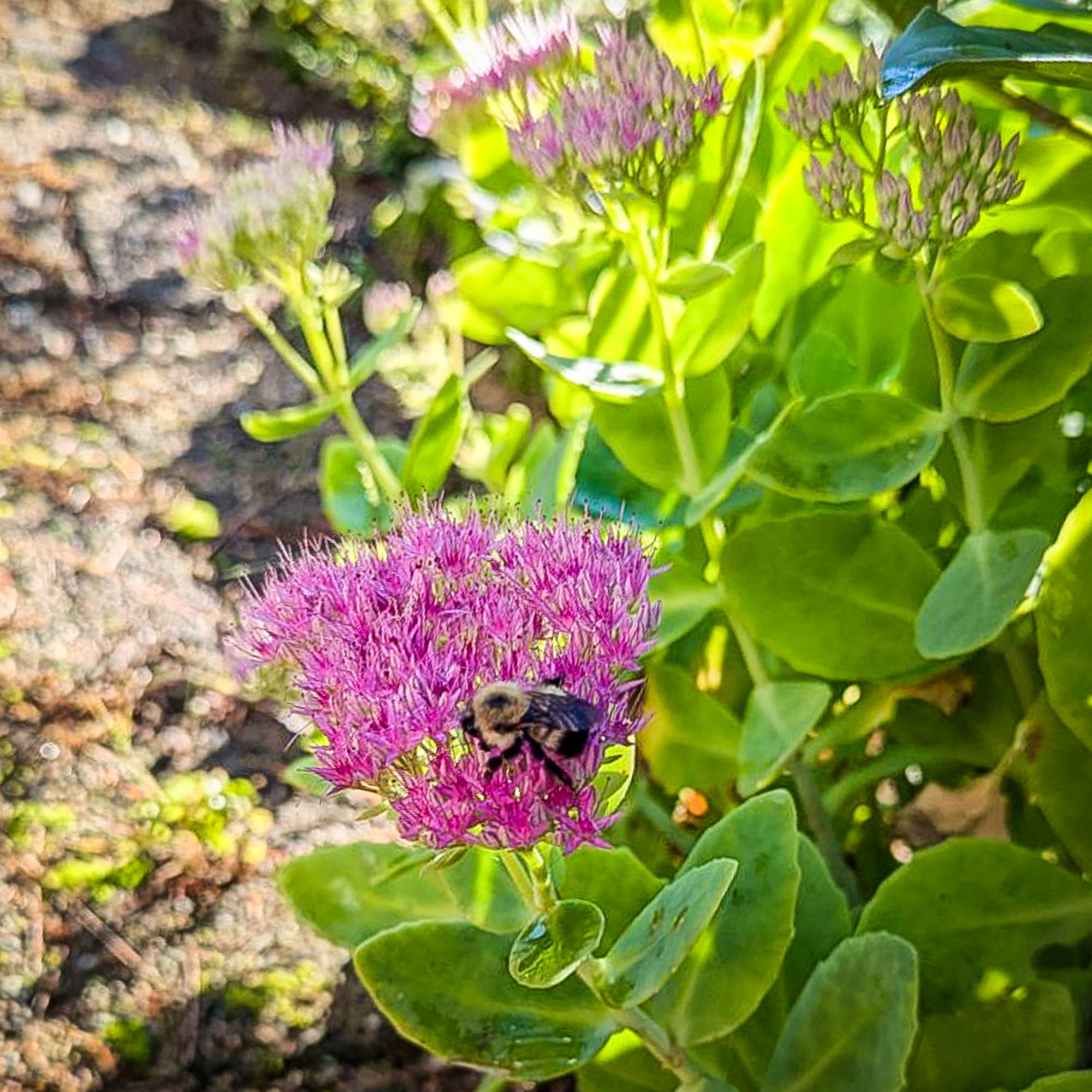
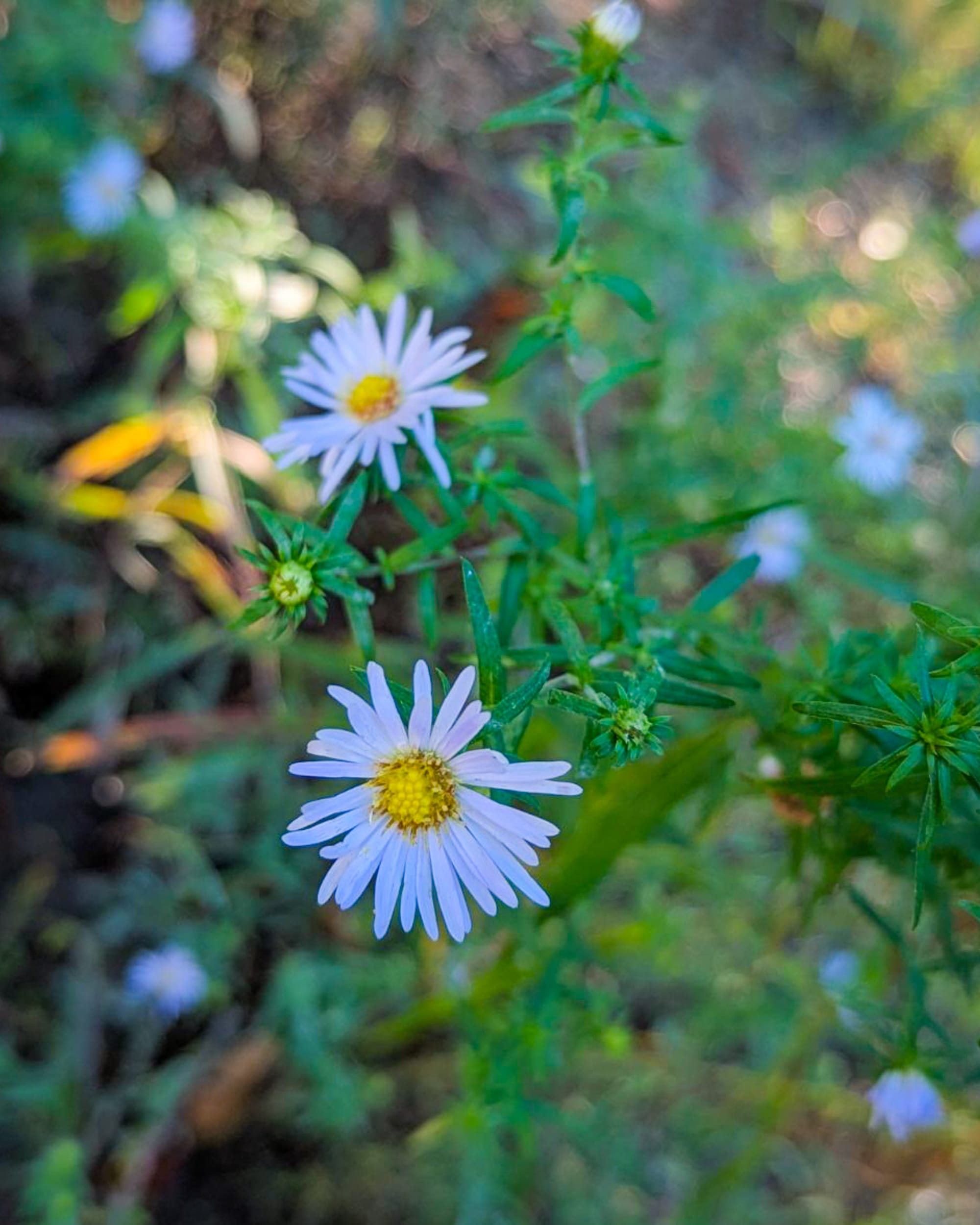
Alright, let’s move on to the good stuff! Now blooming are my fall sedums–my pollinators are now using them for their nap times. My asters, strawflowers, meadow rue, and celosia are still going with vigor! And this morning, I saw my spigella has begun to show its small, red buds. I’m so happy I’m getting a second bloom from them! They typically bloom in June and sometimes will have another round later on in the growing season. My last bit of excitement? My exotic love vine (Mina lobata) that I had horribly neglected as a seedling and planted in absolutely terrible soil (picture pure sand with rocks and chunks of cement) without fertilizer: she is living life to the fullest! This vine has been slowly crawling up our deck and its little flowers are just so cool! I haven’t grown these before, so I am simply delighted and impressed with their hardiness.
Our harvests are also continuing and it’s getting tiring to get everything processed, but it’s so worth it to have garden veggies in the winter months. We’ll trudge on! Before I sign off, local farms are putting out their early apple harvests, their peaches have been an absolute delight, and their raspberries are so sweet. Treat yourself to these delicacies and support your local farm while you’re at it!
Kate Ratta is the manager of the local feed store Nashua Farmers' Exchange, Inc. She has more than 10 years of experience working in the business owned by her aunt and uncle, Judy Ratta-Harrington and Gene Harrington, and will be contributing weekly garden reports. The store is located at 38½ Bridge Street in Nashua in the converted Boston & Maine and Concord Railroad station.