

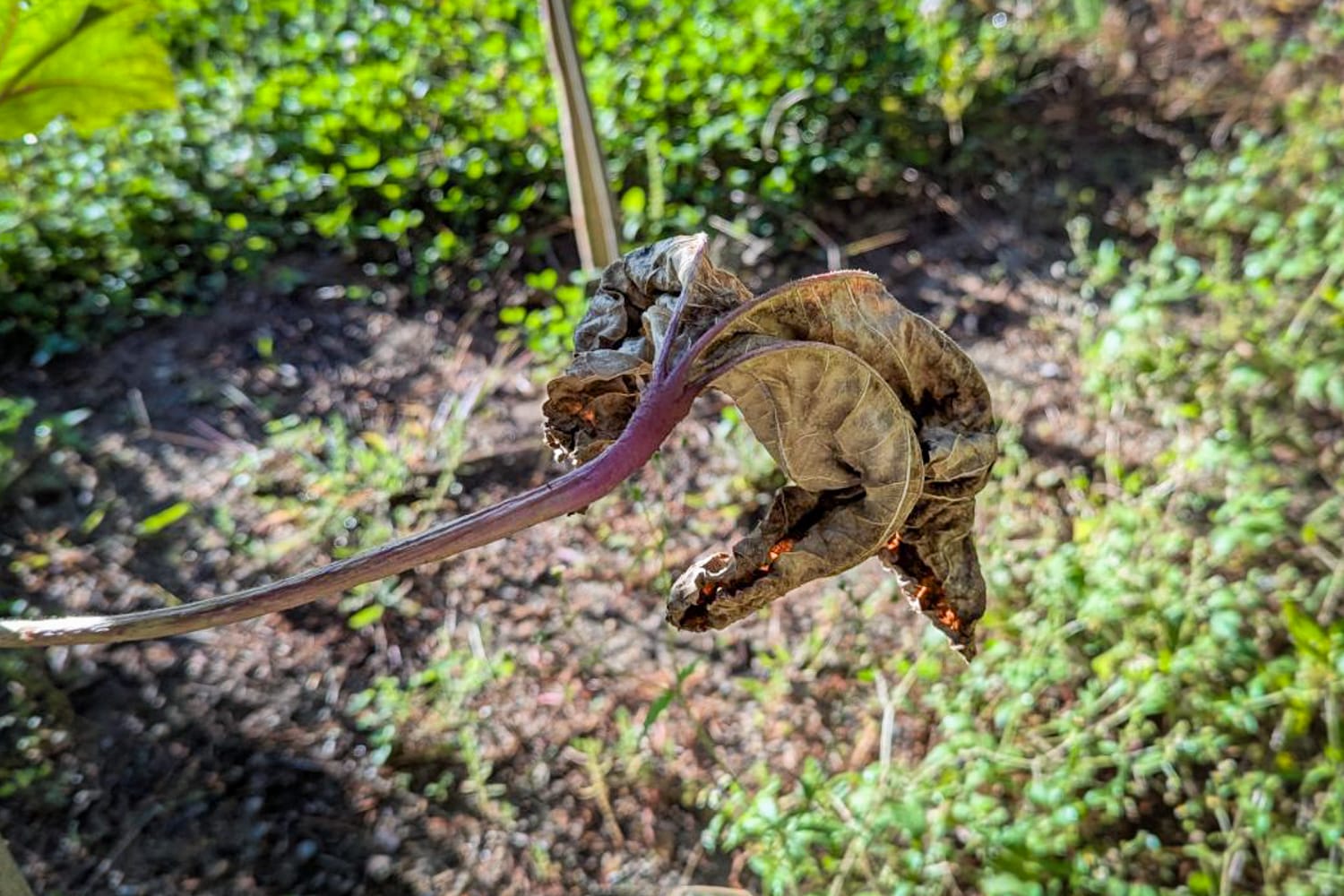
Cool breezes, sunny afternoons, slow dewy mornings–at last Fall is here. At my house, we’ve had a few nights and mornings in the 40°s and it shows in the gardens. My warm-weather crops, like tomatoes and okra, are certainly showing their displeasure at this rude change in temperature: withered vines, peaked and discolored foliage. This will surely slow down production in plants that have not yet exhibited chilling damage as well. Your warm weather crops, after all, don’t like to have temperatures to go below 50°. If you want to try to prolong your warm weather crops production and colder weather is forecasted, you can certainly cover your plants at night with a frost blanket, or even a sheet or blanket. Be sure to take off coverings in the morning so your plants can enjoy the sunshine.
My mind is starting to drift from gardening to other Fall chores–we heat our house with a woodstove, and I’ve got four cord of split wood to get stacked before the snow comes. I am trying to decide if I want to start putting the gardens to bed for the season. For me, this means pulling plants that are at the end of their production. Come October, I will get these beds weeded and plant a cover crop like winter rye (except for where I will be planting my garlic). I suggest waiting to plant winter rye until at least mid-October, otherwise this crop can get quite tall and unruly by the springtime. Winter rye is an excellent, winter-hardy cover crop for your veggie gardens because it helps to hold nutrients in your soil, aids in preventing soil erosion, as well as helps in suppressing weeds. You can even use what you cut down in the spring as green mulch in your garden! Classic farmers’ wisdom: use what you got to the best of your advantage–wastenot, want not!
From the sounds of it, we have our first Nor’easter on the way this weekend too! Sounds like we’re in for some colder temperatures and a bit of rain (“Batten down the hatches!”, I can hear my aunt and uncle saying). I highly recommend harvesting what you can (especially those warm weather crops), before the storm gets here. A word of caution to those who want to put any kind of turf seed down in the lawn and yard: be aware that if we get a deluge of rain, it can wash away the seed that you have spread. If you haven’t seeded yet, consider waiting till after the heavy rain has passed. Don’t fret too much about timing at this point. We are outside the ideal window for seeding lawns at this point, but contrary to popular belief, Fall is a better time to throw down grass seed than Spring is.
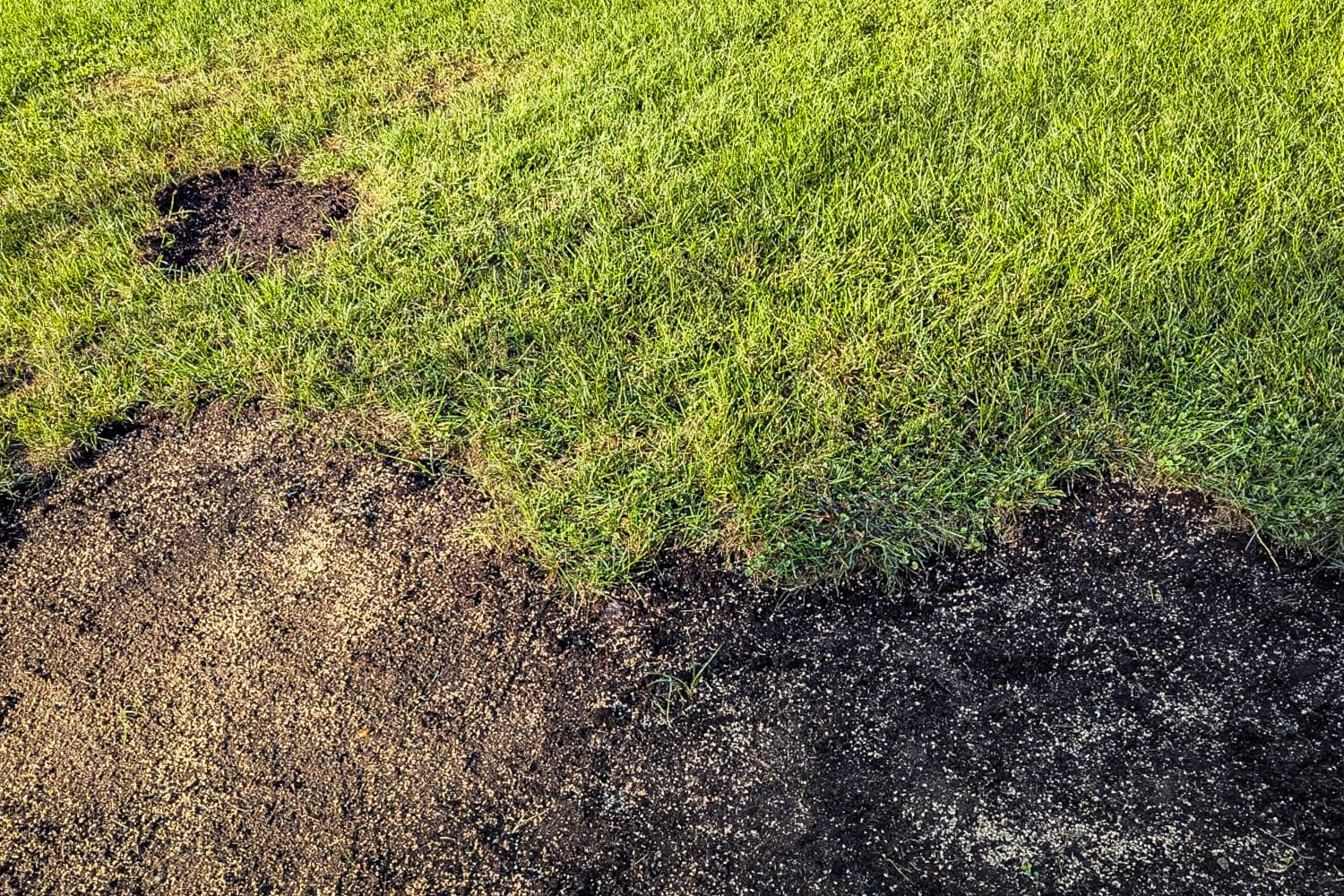
I will actually need to do a little more seeding myself this year. We found a grub problem in the lawn that we’ve had to address. Grubs (specifically Japanese Beetle grubs) munch away at the tender roots of grasses to the point where you can literally roll your lawn up like a rug. We have treated the area, put down some topsoil to fill in some divots, and will be putting some fertilizer and seed down in the damaged areas (and keep the shop dogs off of it as best we can). This time of year, grubs have only just hatched and are quite small. They will soon start making their way down deeper into your soil column to wait out the cold winter, only to return in the Spring ravenously hungry. This is when they do the bulk of their damage. Keep an eye out for these guys, and if you need some advice, stop by the store! I also recommend (once grub infestation has been addressed), trying organic means to control your grub population. Products like Milky Spore (a biologic control that only impacts Japanese beetle grubs–its safe for pollinators!), offer excellent control for grubs for years. It takes some work to get down the applications, but it’s worth it in the long run. Also, no need to worry about grubs in your veggie or perennial beds. Grubs really only want the tender roots of grasses and some weeds. If anything, in your gardens, grubs are helping you with weeding! Save yourself some money and time; no need to apply any pesticides for grubs in the gardens.
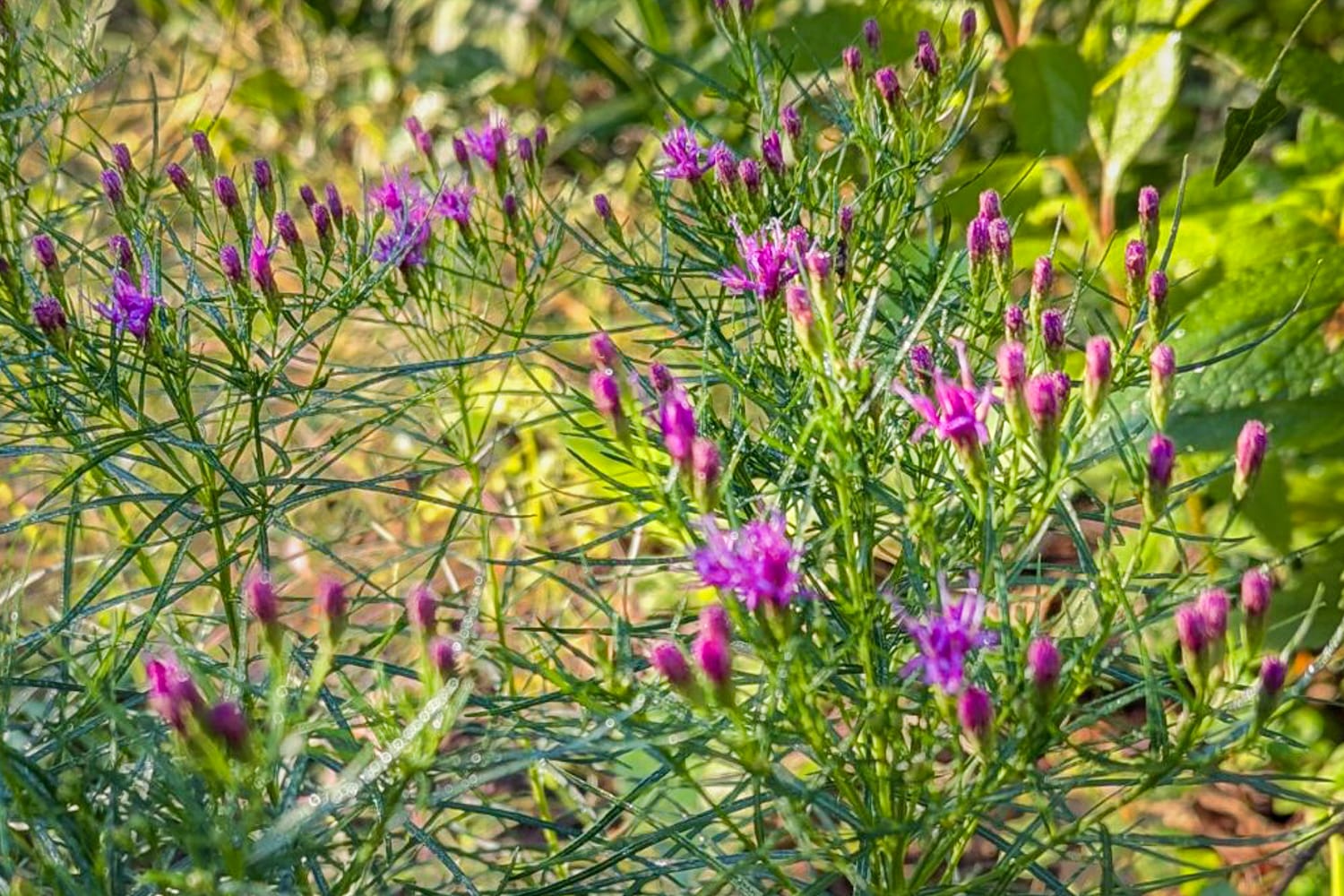
Enough grub chat–let’s move on to what’s blooming! Though many flowers have passed by, I’m still enjoying the celosia, strawflowers, sedum, and seaside goldenrod! I’m so impressed with the celosia and strawflower’s long blooms. They surely will become a yearly staple in the garden. My spigella is still working away on its little red buds. Also, just starting to bud is my ironweed! I planted this native plant yearly this year and I’m so excited to see its late bloom. Looking ahead, I’ve got some plans for how I want to handle cutting back the gardens for the winter. In fact, I am thinking I will follow Barb Young’s advice on waiting till May to cut back flowers with a Chelsea Chop! More to come on this technique in the near future. If you’re too antsy to wait, check out Barb’s amazing website: The Big Little Garden. She is truly a wealth of information and an amazing advocate for nature and our pollinators!
Kate Ratta is the manager of the local feed store Nashua Farmers' Exchange, Inc. She has more than 10 years of experience working in the business owned by her aunt and uncle, Judy Ratta-Harrington and Gene Harrington, and will be contributing weekly garden reports. The store is located at 38½ Bridge Street in Nashua in the converted Boston & Maine and Concord Railroad station.