

The coolness in the air is making me ready for the cozy moods of autumn. The humidity is down, the breeze is lovely and refreshing, and our afternoons are…somehow still hot! Classic September weather in these parts. On my way to work, I’m seeing more foliage start to turn from its weather-worn green, to hues of yellow and red. I hope we have some spectacular foliage this year, but I suspect it might be a bit lackluster because of the drought-stress and winter injury our trees have endured this year. Time will tell–I’m still hoping and looking forward to our seasonal changes.
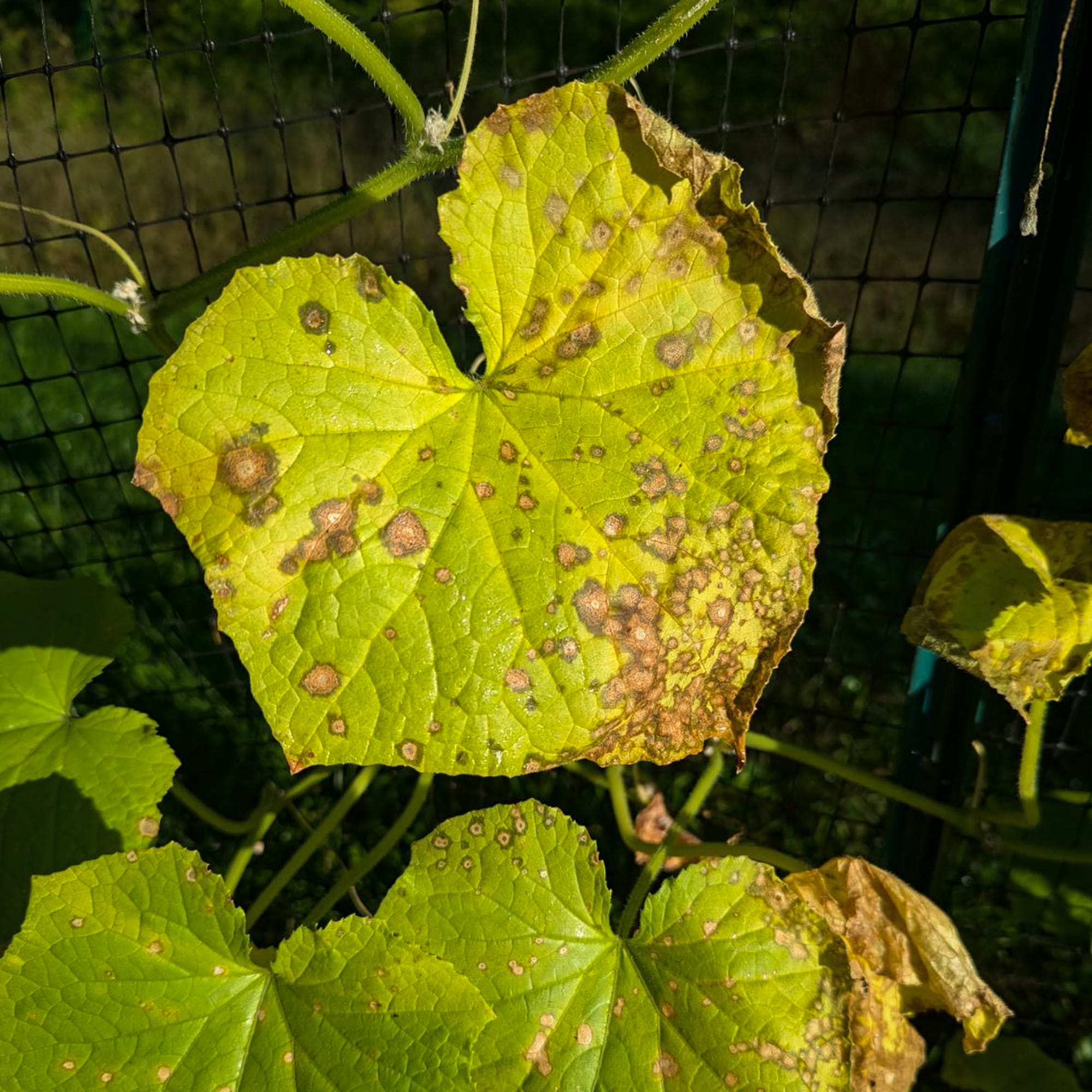
In the gardens, I am still harvesting away (I made a giant batch of salsa verde…my oven is bearing the brunt of roast veggie mishaps and messes), but I am also seeing some stressed out plants. I haven’t been as diligent with watering and the plants have been yelling at me. August and September gardens show the progression of growers gettin’ tired after a long season. I’m also seeing diseases are really starting to take hold. I can see mosaic virus on our cucumbers, and some of the foliage on our butternuts is looking wilted and peaked.
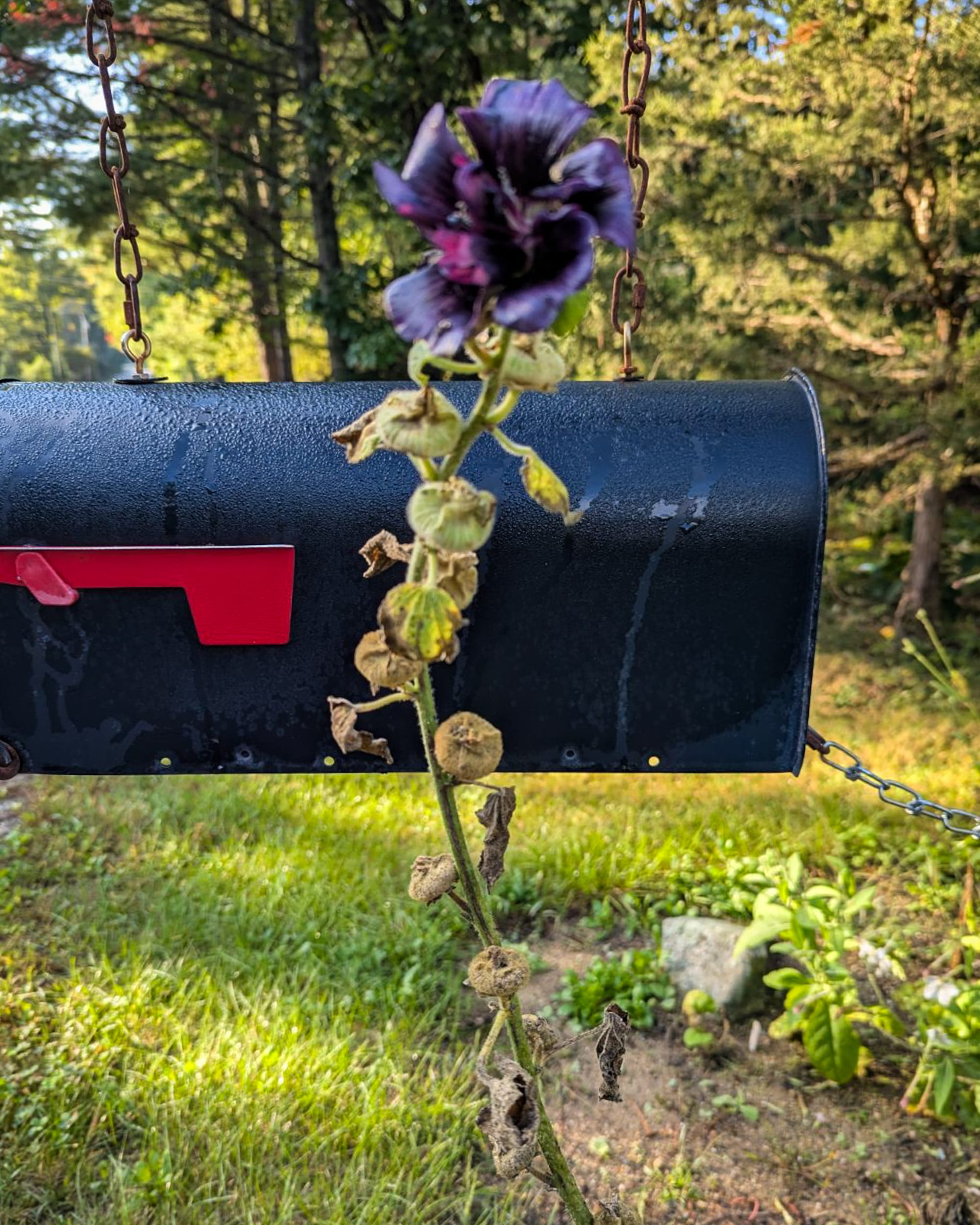
In the perennial beds, my hollyhocks have succumbed to rust (a very common fungal disease for this plant), and I spy a number of issues on our crabapple trees: cedar apple rust, tent caterpillar, maybe even scab. Next spring will be the time that I address some of these disease concerns for the crabapple, as it isn’t the proper time to apply fungicide for these particular issues. However, as these trees start to defoliate in the fall, I will do my best to collect and throw out these infected leaves. It is always a good practice to collect and throw away or destroy any infected leaves or fallen fruit because it helps to prevent additional spread of the disease.
All that being said, there is still a good amount of time for growing in this late summer season! You can absolutely still plant your cold weather crops for another round of harvesting. What can you plant, dear reader? Try leafy greens (lettuce, kale, swiss chard, spinach), peas, and plants of the brassicus family (like broccoli and cauliflower)! Do note that if you plant broccoli or cauliflower, you might want to do it from a plant start rather than from seed at this point in the season, but you can always try and experiment to see what happens! You can also do some late summer sowing of wildflower seeds. It’s recommended that you sow wildflowers about 8 weeks before our first predicted frost should you choose to do it this time of year.
I mentioned last week to start planning where to plant and what to plant for fall flower bulbs (tulips, daffodils, allium, etc..), but to wait until at least mid-October for planting. You should start planning where you’d like to plant your fall garlic as well! I also wait until at least mid-October (though I usually plant later) for my garlic. Nashua Farmers’ is expecting to have 5 different varieties of seed garlic this year. Typically this arrives the last week of September or the first week of October, but we will announce its arrival on social media and our website. Garlic is a fun, easy, and super useful crop to grow! Looking for instructions on how to plant? Click here to download a step-by-step planting guide.
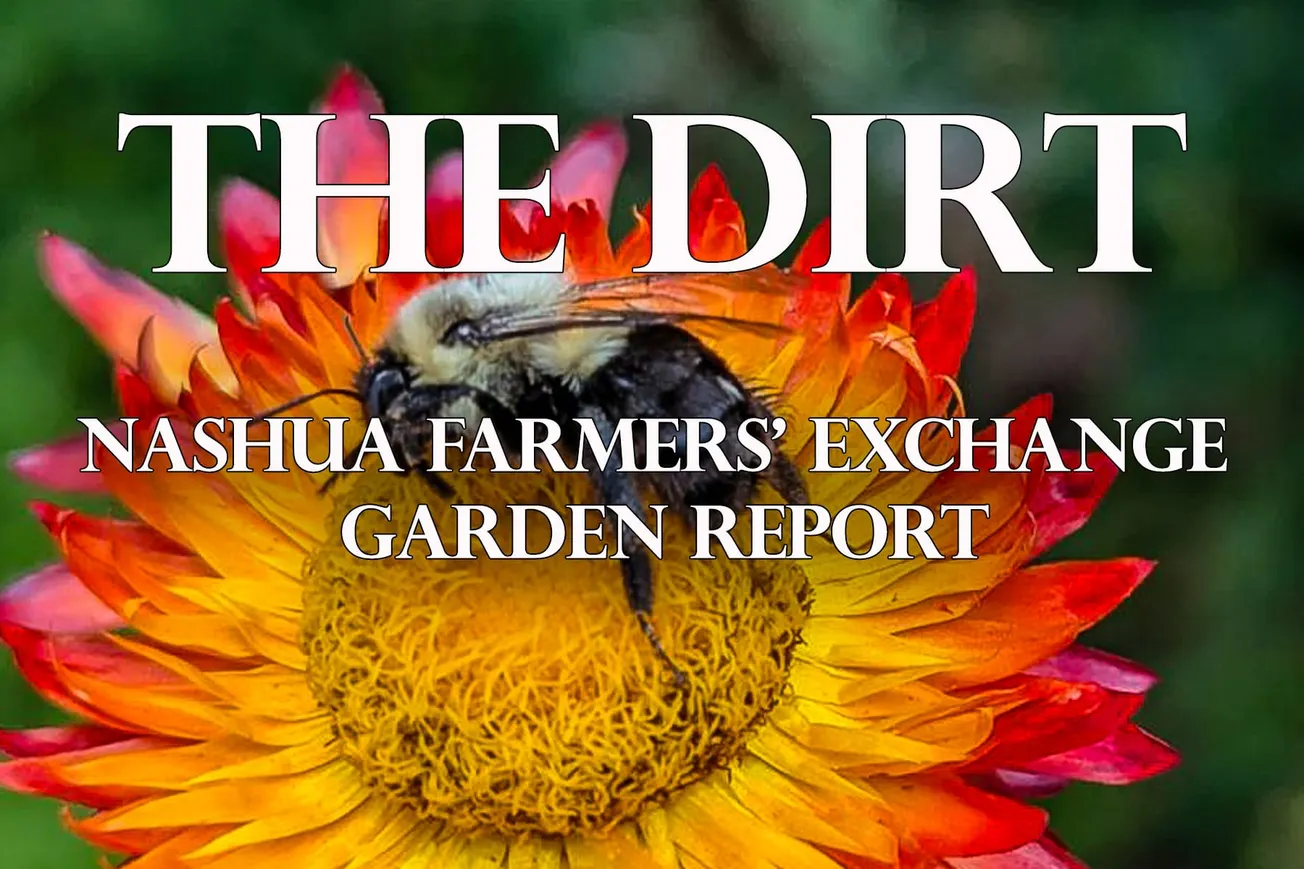
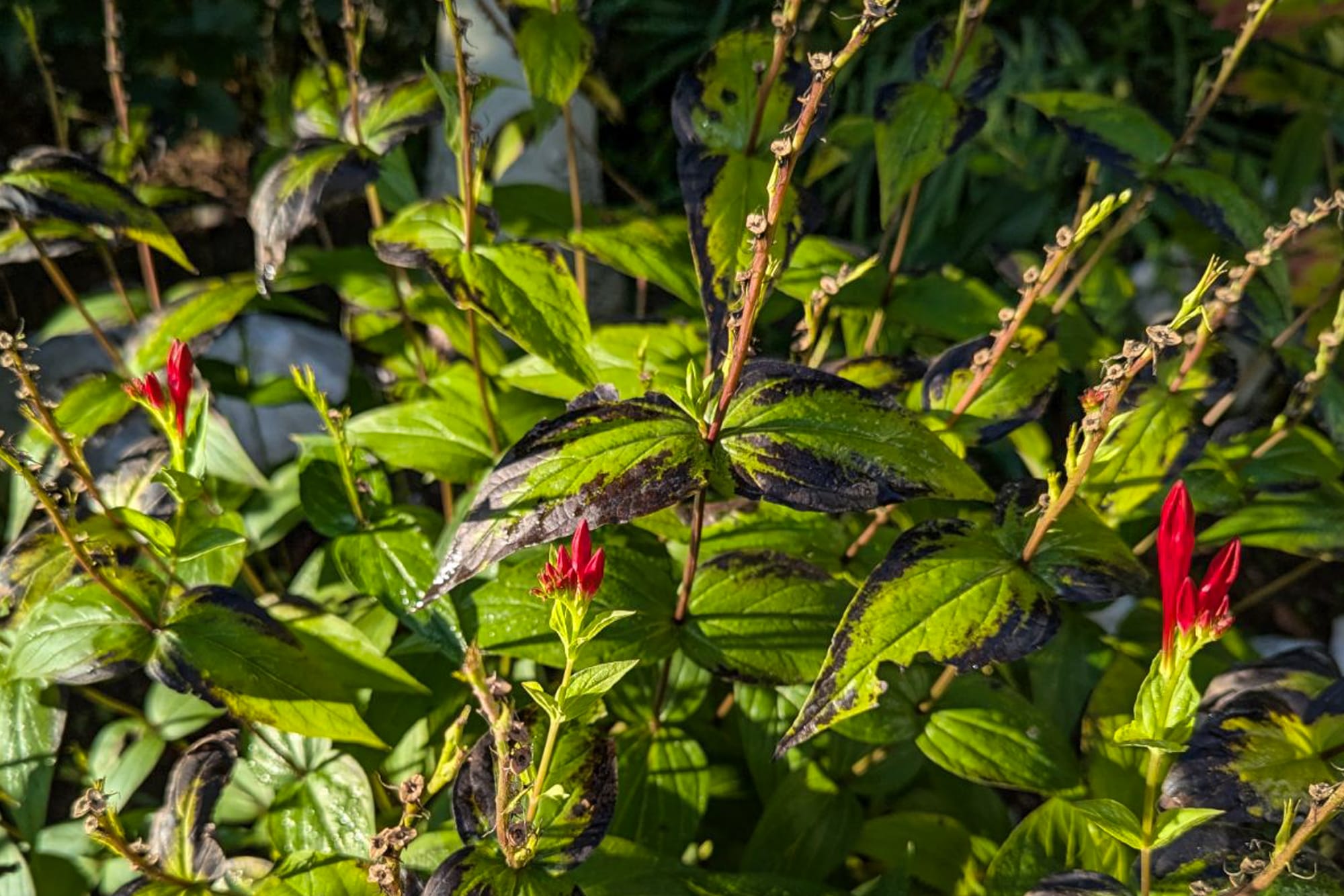
I’m getting tired just writing what to plan ahead for, so let’s dig into what’s blooming around the gardens! My ever-so-lovely Seascape Goldenrod is flowering with these unusually shaped blossoms and is buttercup yellow! Contrary to popular belief, most people are allergic to ragweed rather than golden rod, so don’t worry about sneezing from these beauts–not to mention pollinators love it! Also still in bloom are my sedums, celosia, and strawflower. My strawflowers have been making lovely bouquets and are known for being an excellent dried flower (great for you crafters out there). My spigella is really starting to get into its second blooms–it’s such a cool little native plant; I highly recommend it for your perennial beds and pollinator gardens.
A couple of quick words of warning: watch out for poison ivy. I am seeing it all over the place, even on the roadsides as I walk the shop dogs. This time of the year, the foliage is starting to change to a reddish color, so be aware that it might look a little different than you are used to seeing. Also, be on the lookout for mosquitoes and standing water around your yard. It’s a good practice to dump out (or use for watering!) any stagnant water that is in pots, buckets, or wheelbarrows once a week. Mosquitos lay and hatch their eggs in still water, so it’s a good practice to limit the upcoming generations. Watch out for these itch-inducing pests!
On that note, get to enjoying September! Go apple picking at your favorite farm, enjoy the fresh harvests, and check out some of the local Old Homes Day and Fall Festival events happening in the area! Maybe enjoy a corn and a caramel apple while you're at it!