
Weather conditions have been a bit mixed this week, except for the humidity! It always seems to be humid. I’ve been enjoying my early morning and evening strolls in the gardens–with the shop dogs loping by my side.
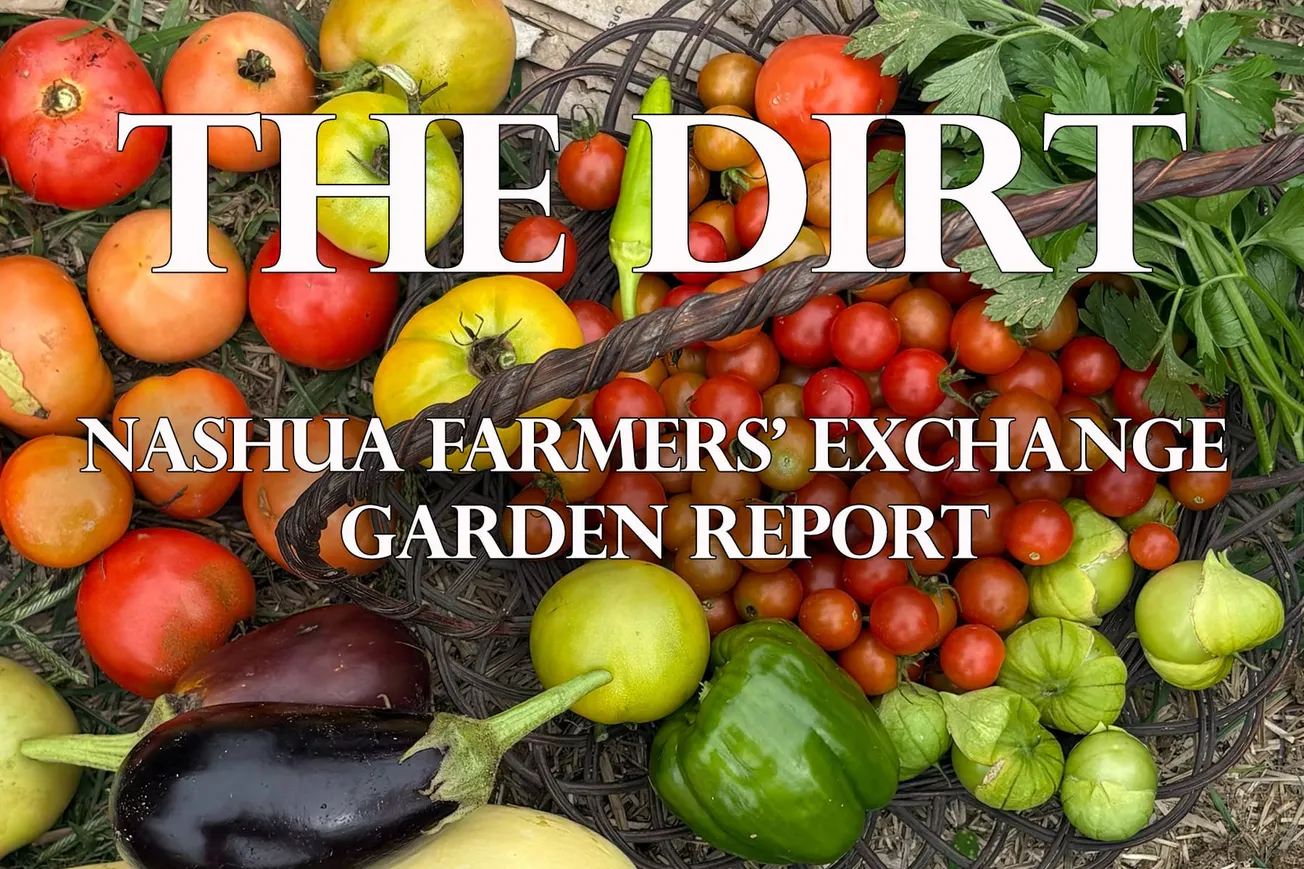
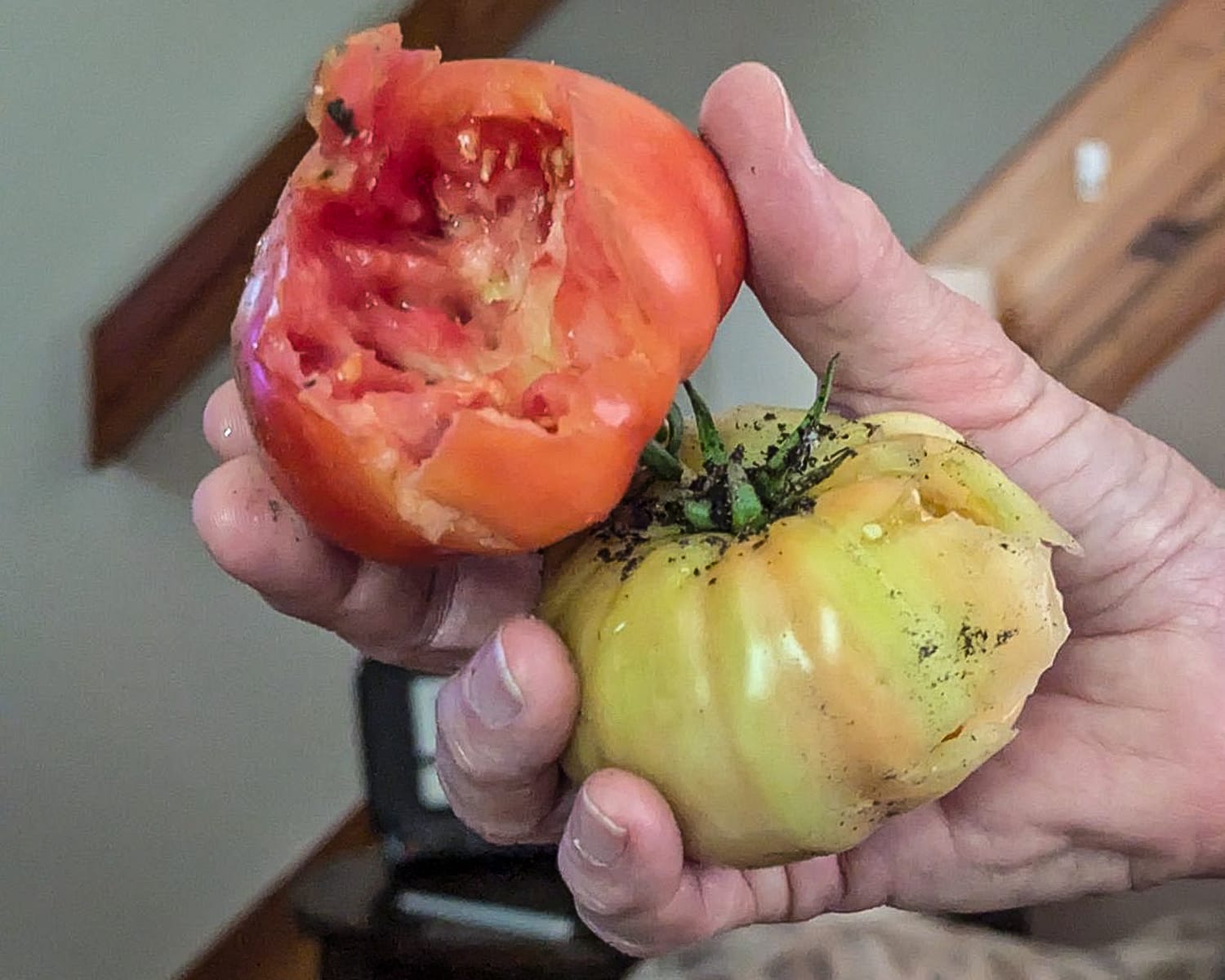
I have finally plucked and am in the process of drying my shallots. I’m harvesting okra only a small amount at a time. When this happens, I chop and process them so I can freeze it. Gotta have enough for gumbo! I want my tomatillos to hurry up, but something is starting to nibble on their papery shells–I suspect beetles, but I’m not too worried at this point. Another mystery pest has taken large chomps out of some tomatoes! It’s what I get for not putting up our temporary fencing this year. Physical barriers are really a fantastic tool–and putting them up before any critters realize there’s good eating works amazingly well in my experience (I’m lookin’ at you, groundhogs and deer!).
My blueberries are still coming and are so sweet! I can’t help but eat some straight from the branch. Can you tell Blueberries for Sal was a favorite childhood book? Honestly, what can be better than walking by and plucking a veggie or berry for a drive-by snack?
On my to-do list this week is my dreaded chore: lawn care prep. Good thing I will be fortified with blueberries for this task. As much as we might not want them to be, lawns are a cultivated crop, and they take a lot of work. As my aunt says. “New Hampshire wants to be forest!” In other words, we have to maintain conditions for lawns to be successful. For Nashua, that means:
● Maintaining a neutral pH through liming. Remember, liming takes a full three years to completely incorporate into your soil. We run very acidic in these parts (hello, granite bed rock), which grass hates. Be sure to do a pH test to determine how much, if any, lime you need to apply.
● Get on a fertilizer routine. Apply at least in early June and early September as a minimum.
● Raking. My least favorite chore, but you gotta do it if you plan on seeding your lawn.
● An inch of water per week, including rainfall.
● Seed in mid-August through mid-September. Rake the area thoroughly first, then apply a starter fertilizer. Do not bury your seed, it only needs to be gently pressed into the top of your soil. Keep the seed moistened until it germinates; if it dries out, it will die.
Lawns are a lot. I try to limit the amount of lawn we have. I also overseed with white dutch clover (check out what The Big Little Garden has to say about clover lawns). It’s much less persnickety; it doesn’t require so much water or fertilizer, and it fixes its own nitrogen (this keeps the plants very green). Plus, bees adore it ! My last piece of advice for any lawn or turf seed: go light on your application. Less is more when seeding; allow your grass and clover to spread through proper maintenance. Putting extra seed down “to make sure something comes up,” will eventually lead to too much competition, causing your grass to choke itself out. Save yourself the time and money. Looking for more information? Check out Nashua Farmers’ lawn care page, or visit us at the store!
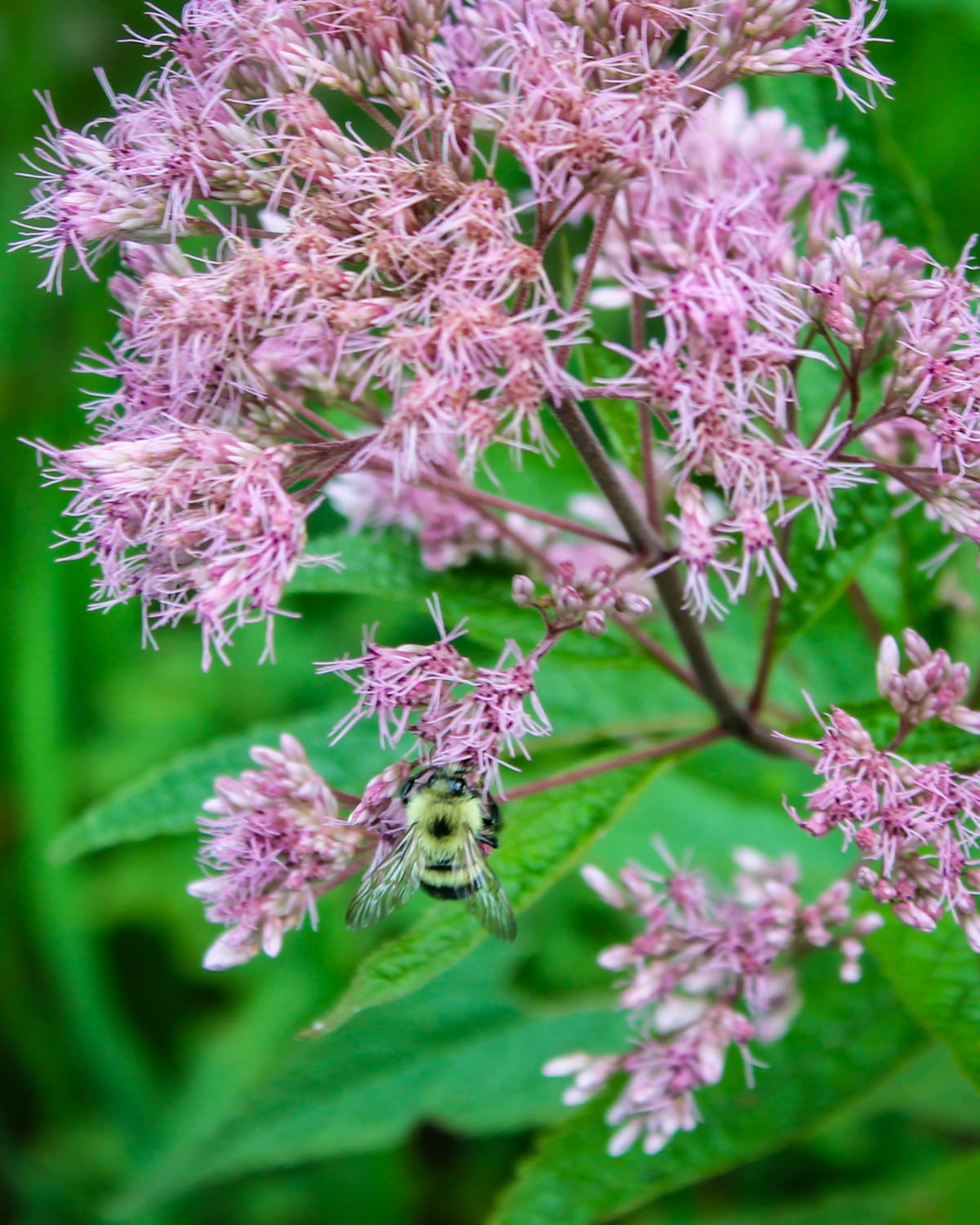
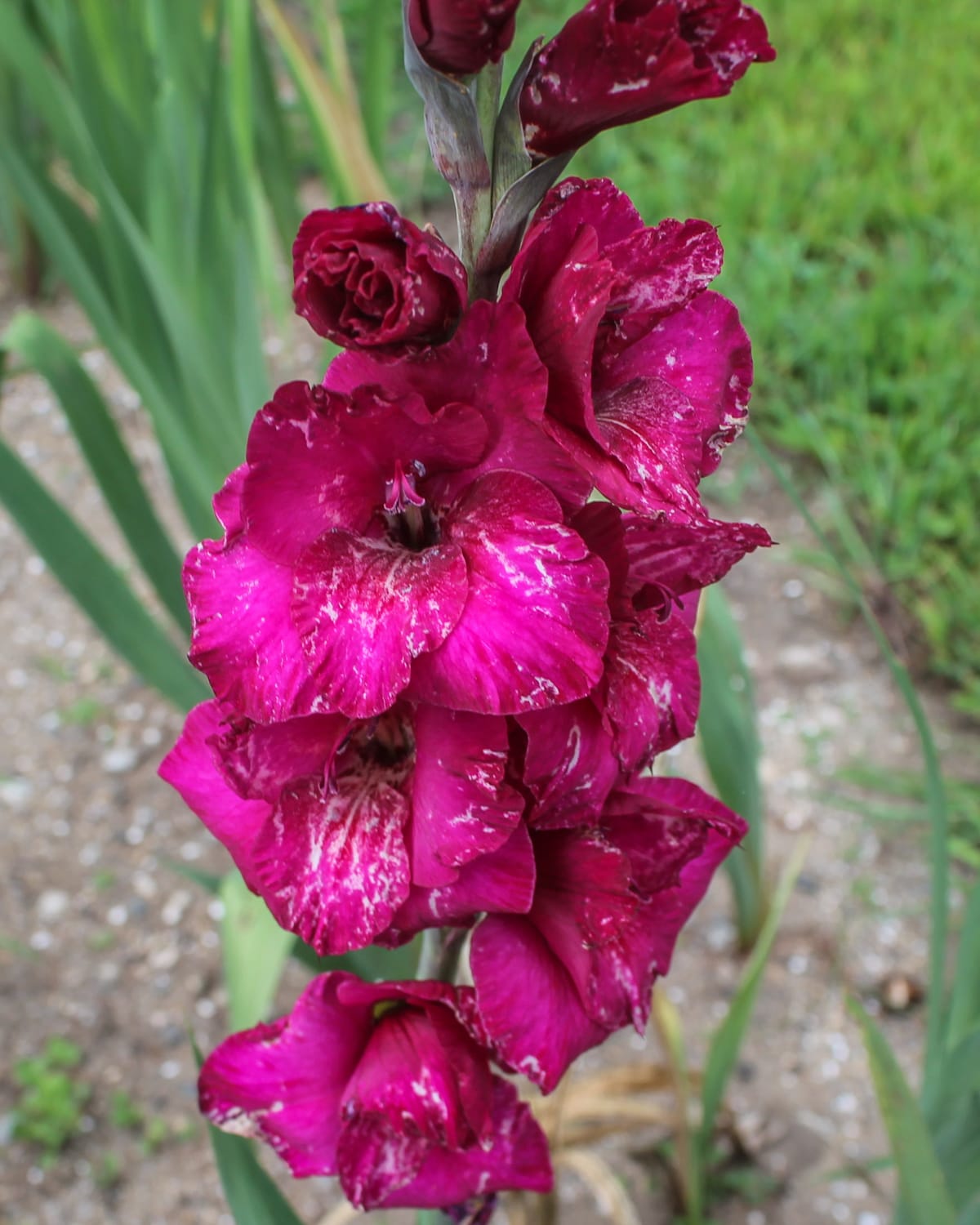
Ugh, enough of lawns! I dream of replacing most of ours with native perennials. Speaking of, we’ve got some beautiful blooms going! My Joe Pye Weed (a native) is pushing out these sweet, pink flourishes. Next year, I hope to get them nice and tall! My meadow rue that I planted in the spring has such cool little blooms coming in! I am so excited to see the full show–meadow rue can reach up to 7’ tall, but mine are only about 4’ tall. Like Joe Pye, I want to see if I can really get them growing. My gladiolas are slowly opening still–some have tarnish on their petals. I wonder if it’s cold water damage from the rain, but they are still quite pretty; though, I might have to plant them elsewhere next year.
Until next week, enjoy your harvests and garden walks! If you have a bumper crop, share with family, friends, neighbors–or even soup kitchens and food pantries. There’s nothing better than sharing the wealth of a garden. My aunt shared a zucchini with me. This baby has chocolate zucchini cake written all over it!
Kate Ratta is the manager of the local feed store Nashua Farmers' Exchange, Inc. She has more than 10 years of experience working in the business owned by her aunt and uncle, Judy Ratta-Harrington and Gene Harrington, and will be contributing weekly garden reports. The store is located at 38½ Bridge Street in Nashua in the converted Boston & Maine and Concord Railroad station.