
When a person experiences the trauma of domestic or sexual violence, knowing where to turn is the very first step toward safety. For nearly 2,500 individuals in Greater Nashua annually, that turning point begins with Bridges: Domestic & Sexual Violence Support Services, Inc. Widely recognized across Greater Nashua and the surrounding communities as the local crisis center, Bridges has provided 24-hour crisis intervention and emotional support for survivors of sexual assault, domestic violence, and stalking in the community for nearly 50 years.
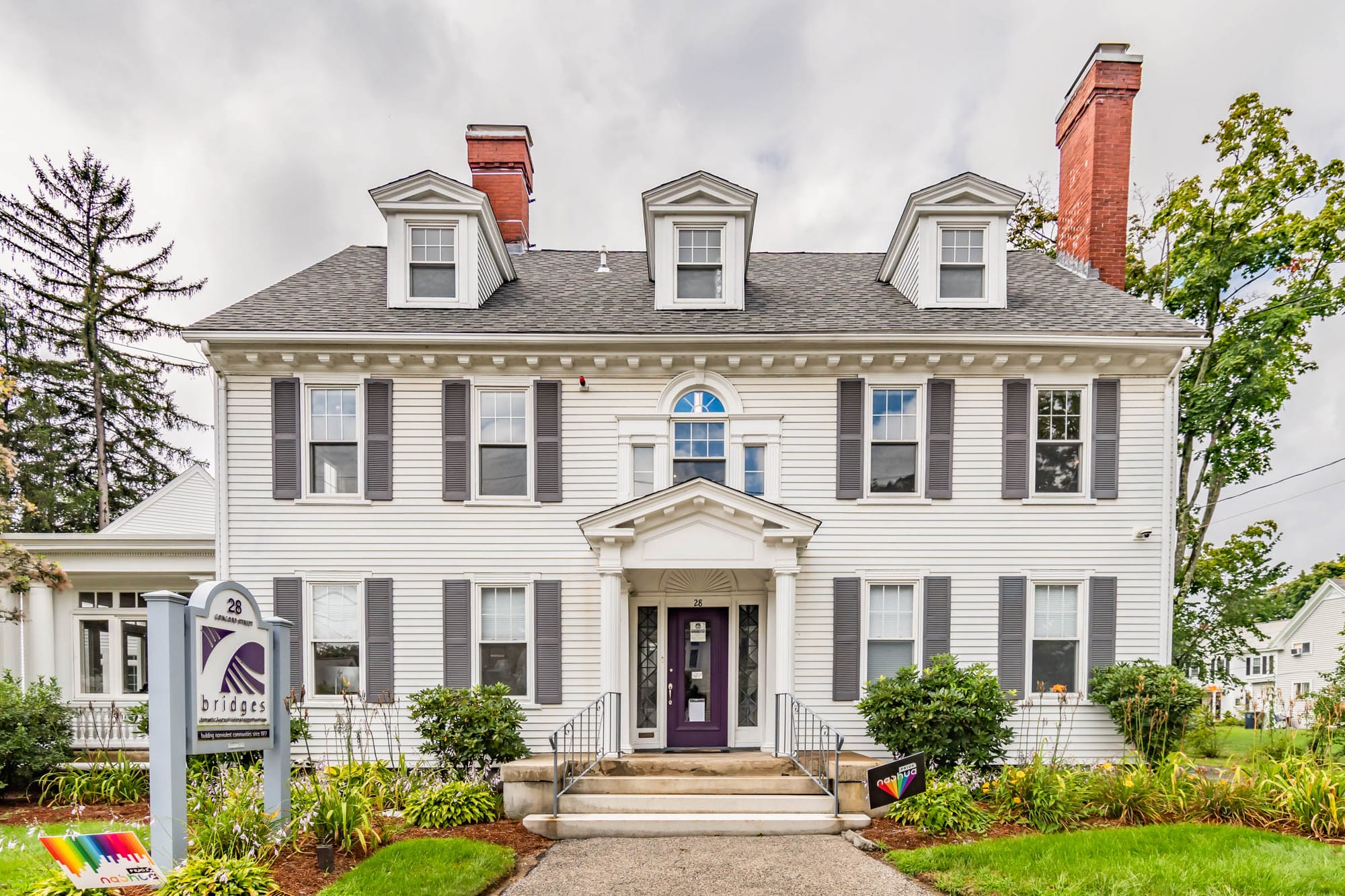
While the main Nashua office is located at 28 Concord Street, a dedicated satellite office also operates in downtown Milford, ensuring clients in the Souhegan Valley have access to the exact same support and services. Whether someone needs immediate crisis intervention, safety planning, housing assistance, support groups, child advocacy, or mobile advocacy out in the community, Bridges meets survivors exactly where they are. They also simultaneously work to break the cycle of violence through community education and prevention efforts.
Yet, once immediate safety is secured, a different kind of challenge begins. The nature of domestic and sexual violence means that a survivor's world often becomes smaller. Individuals frequently find themselves tiptoeing around an abuser, unable to focus on themselves or explore new hobbies and relationships. When someone has been under another person's control for a long period of time, the experience is designed to erode their sense of self. It leaves them unsure of the things that bring them joy, what they are passionate about, or what can help them in moments when they feel activated or escalated.
Imagine making strides to heal and regain independence after being impacted by trauma. It is inevitable that moments of activation or retriggering will occur. It is also inevitable that survivors will reach a point where they want to discover the things that bring them day-to-day happiness and help them regulate during difficult moments.
There is immense power in making choices for anyone who has experienced this type of trauma. When a person has been controlled for a long period of time, making decisions like picking which groceries to buy, a task that may seem simple to some, can be deeply impactful and therapeutic. Conversely, this process can also be extremely overwhelming, especially when they do not know where to start. The same is true for finding activities done purely for oneself that bring genuine joy.
While Bridges' core crisis services offer in-the-moment emotional support, true healing often requires intentional steps to move from survival toward long-term stability and independent living. These realities, along with feedback from clients in the domestic violence support group, led two advocates at Bridges to recognize that they had to do something different. They needed an initiative that not only fostered connections between survivors but also allowed individuals to explore activities so they could decide what works well for them.
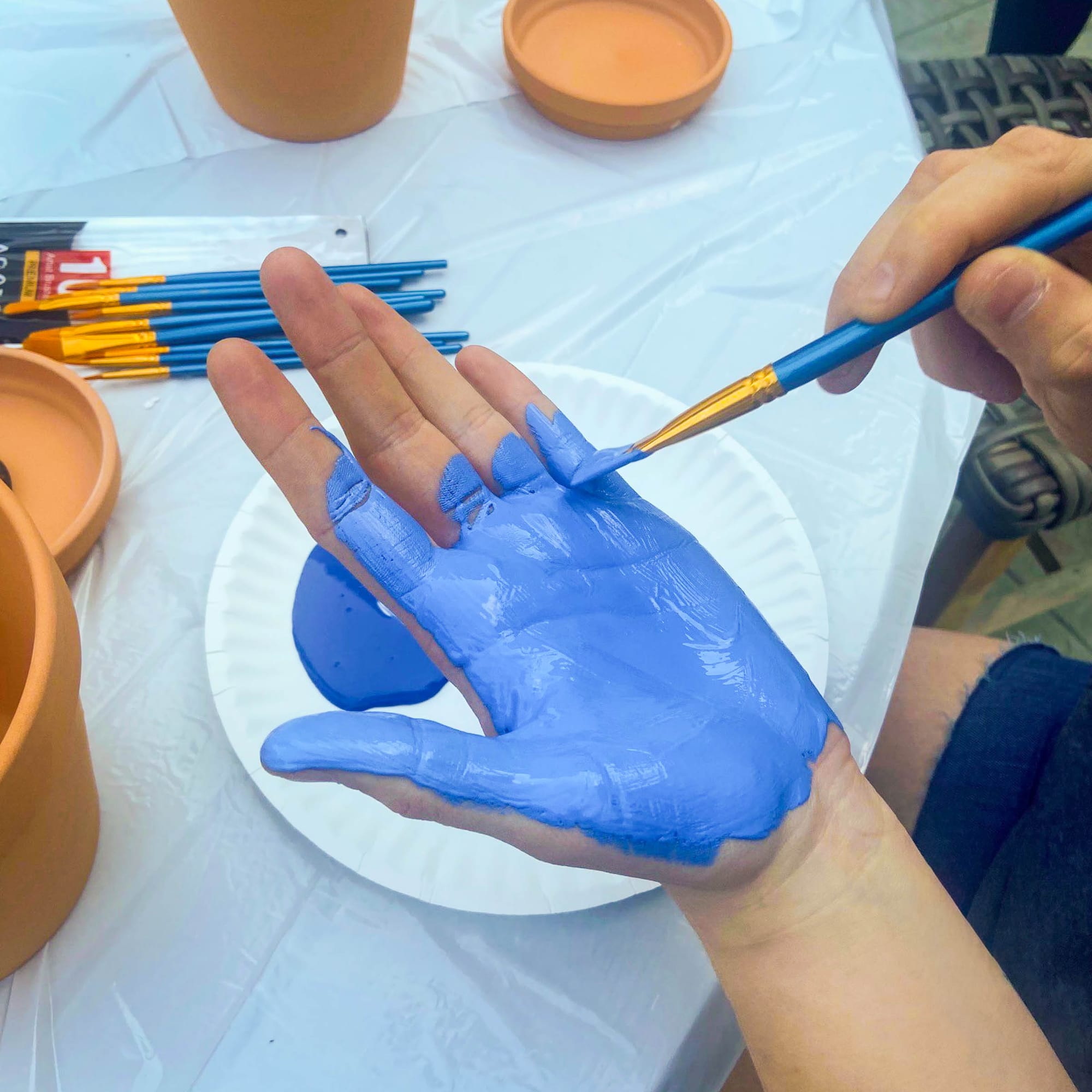
And so, Creative Coping was born: a support group where survivors can focus on self-care, build relationships with each other, and reclaim themselves as they explore new activities. Having Creative Coping as an option gives structure to this self-discovery. This initiative was first introduced about two years ago after survivors in traditional support group models, or those receiving emotional support from an advocate, repeatedly gave the same feedback: "You tell me to use my coping skills or focus on something that brings me joy, but I have no idea what that is."
The support group is designed to help bridge that gap. Survivors who participate have already taken part in the standard domestic violence or sexual assault groups. They have established the foundation of a healing journey and now need the skills to put it into practice in more concrete ways.
“Creative Coping is a blend of art, breathwork, and movement,” the group’s founding advocate explained when asked about the program. Each session highlights a different arts-based activity and ends with 15 to 20 minutes of light breathwork and stretching, encouraging participants to grow as individuals and to come together to support one another. “I drew from my background as a yoga teacher,” she continued, “knowing firsthand the transformative and healing power of movement and breath. But we also incorporated elements of the existing Expressive Arts youth group, pulling from the curriculum to provide a diverse range of activities for group members to try.”
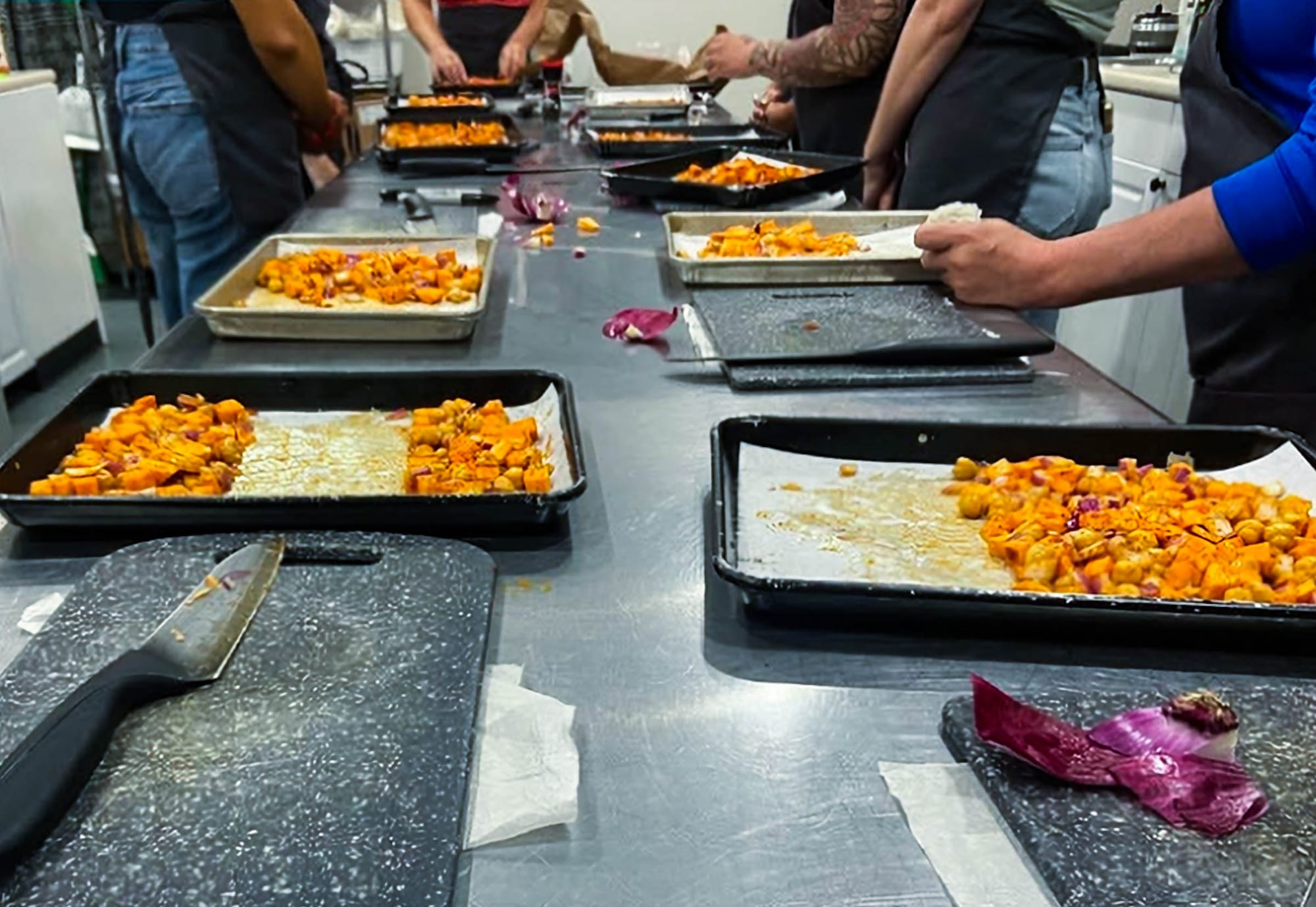
The response to Creative Coping has been overwhelmingly positive. “Staff members keep asking if they can participate, and current group members are already inquiring about signing up for the next session. We’ve also seen more consistent attendance at Creative Coping than any other support group,” the advocate shared, “which is amazing because it is fairly common for someone to sign up for a group, come for one or two sessions, and then drop off. That isn’t happening with Creative Coping. We’re seeing not only consistent attendance, but a desire to sign up for future sessions.”
Creative Coping is more than just a program; it is a beacon of hope. The activities ignite a spark of resilience and joy in those who are traveling the pathway to healing. Due to its success, Creative Coping is expanding into new communities and being modeled with community partners. This model is also expanding to allow clients from other local nonprofits to participate, an intentional choice that beautifully reflects the collaborative spirit that defines Greater Nashua’s nonprofit community.
The group’s facilitator concluded, “… and this is just the beginning of the journey. We’re reaching out to those who need us most because everyone deserves a chance to heal and to find light in the darkest of places.”
To learn more about Bridges’ programming, explore volunteer opportunities, or support their mission, please visit www.bridgesnh.org. If you or someone you know is experiencing domestic violence, sexual assault, or stalking, their free and confidential 24-hour support line is available at 603-883-3044.
Tara Levine is a Development Director at a local nonprofit agency where her work is fueled by a profound commitment to the Greater Nashua area. A catalyst for regional collaboration, she is the Co-Founder of the Nonprofit Development Professionals Network of Southern New Hampshire and a founding advisory board member for the Pride Empowerment Network (P.E.N.). She is also an avid community volunteer, and building authentic relationships is at the core of everything she does. Tara lives and works in Nashua, where she loves exploring new hiking trails, catching up with friends over coffee at local shops, and spending time at home with her husband and two cats.