
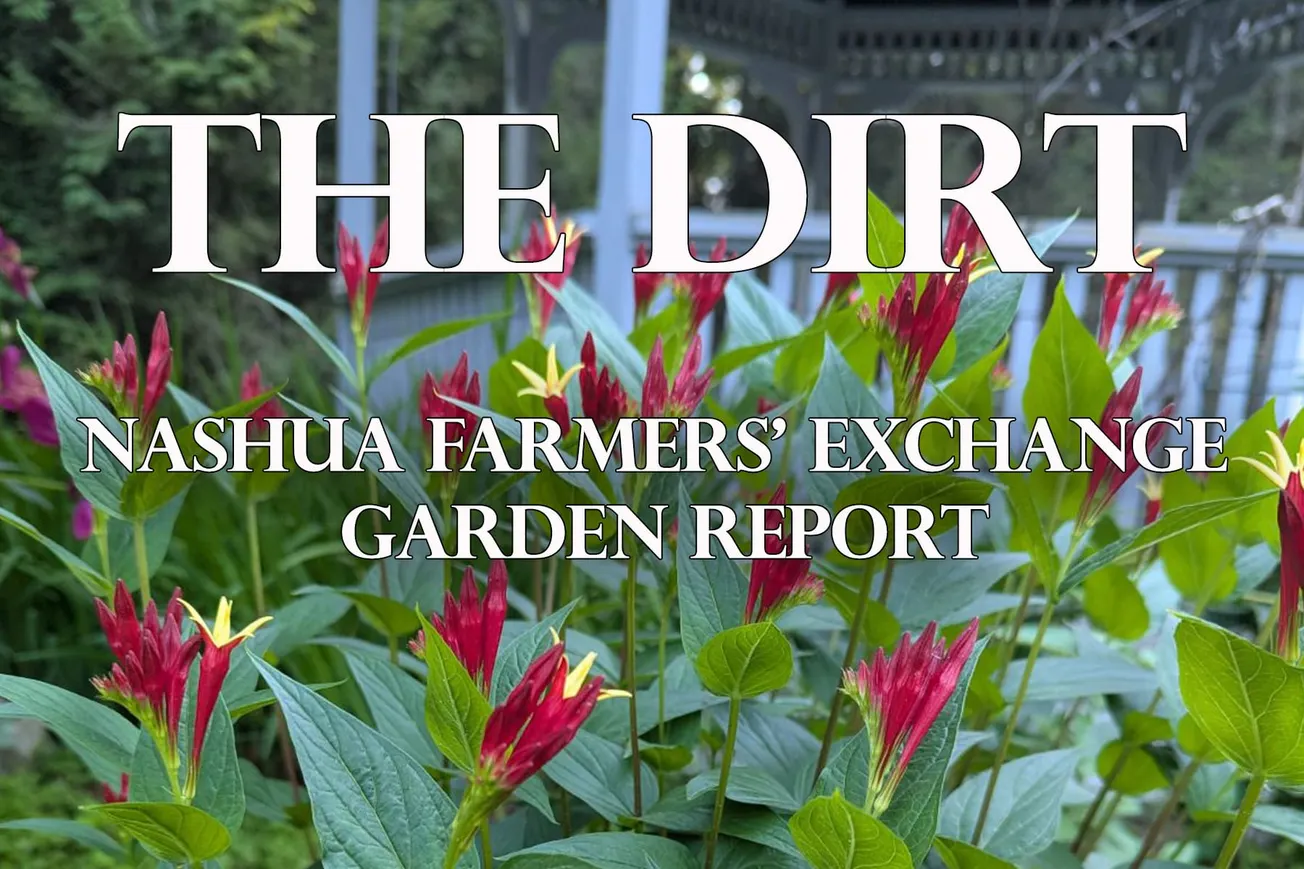
What’s growing on in the garden this week? Let’s take a look! In the perennial bed, my Little Redhead Spigelia is in bloom with their flame red petals and their striking yellow throats. I love this flower for pollinators, for their long bloom (they even bloom twice a season for me), and they are a native plant to New Hampshire.
While my Spigelia is happy enough, many plants are struggling with the hot temperatures that have continued from last week, and the dry, dry soil. The heat and lack of moisture have me specifically concerned for veggie plantings. When plants are subjected to continual environmental stressors, it impacts not only their growth, but their ability to withstand disease and pests. It even impacts their ability to produce fruit, as well as the quality.
Try to keep up with your watering as best as you can, as well as maintaining a fertilizing schedule. I will be giving all my plantings a good, natural liquid fertilizer (I use fish emulsion from Neptune’s Harvest–made in Gloucester, MA!). Watering in a liquid fertilizer is great this time of year because it allows the plant to access the nutrients faster. Granular fertilizers are also great, but it takes more time for those nutrients to work their way down through the soil column.
In the veggie beds, I FINALLY got the last of my seedlings in the ground: tomatillos and okra galore! But, let me tell you, I was not motivated to do so, so I threw them in the ground quickly. I might have crowded them a little in my haste. Sometimes it is tough to take my own advice and plan ahead! I do adore growing tomatillos; they produce a lot, pollinators love them, and boy, are they great for cooking. Make braised pork with them! Or, be like me, and make batches and batches of roasted salsa verde. Some things to know about tomatillos:
● You need at least two plants to produce fruit because they require cross pollination.
● Give them plenty of space and use plant supports. These guys grow like crazy. Even with my best efforts to prune and sucker them, tomatillos grow WILD canopies.
And my burgundy okra? I make gumbo, of course! My brother-in-law is a cook and taught me a great recipe (though his is always better than mine). I have about six plants for him. One thing I love about gardening is the communal aspect of getting to share my spoils and enjoy the delight of others. Later in the season, if all goes well, I will also get to show off the stunning okra flowers: a butter yellow petal with a deep maroon center.
If like me, you try to keep your garden organic, remember that the name of the game is prevention! Before you see symptoms, I recommend using a natural fungicidal spray on plants like tomatoes, which are very susceptible to disease. This combined with using good horticultural practices (watering at the base of the plant and watering the plant so it has enough time to dry before nightfall), will set you up for success. If you have blight in your soil (most do these days), sometimes success means simply slowing down a disease enough to get a good harvest. Being preventative is imperative to that equation.
Moving on to what’s buggin’ us in the garden:
● The flea beetles have found my tomatoes! Remember, this damage looks like “shotgun holes” in the foliage of the plant. I use an organic spinosid spray to help manage them.
● Rose Slugs! A customer brought in a sample of foliage from their rose bush that showed rose slug damage. This pest strips leaves, layer by layer, and can cause a lot of harm.
Looking ahead I will also be keeping an eye out for the four-lined plant bug, as well as the potato leafhopper. Both are very destructive, and observing them early is very helpful in controlling the problem. Additionally, if you are concerned about crabgrass in your lawn and you use natural lawn care, be sure to apply your natural weed preventer (corn gluten) on June 25th. This should be an ideal time to stop the second generation of crabgrass from germinating.
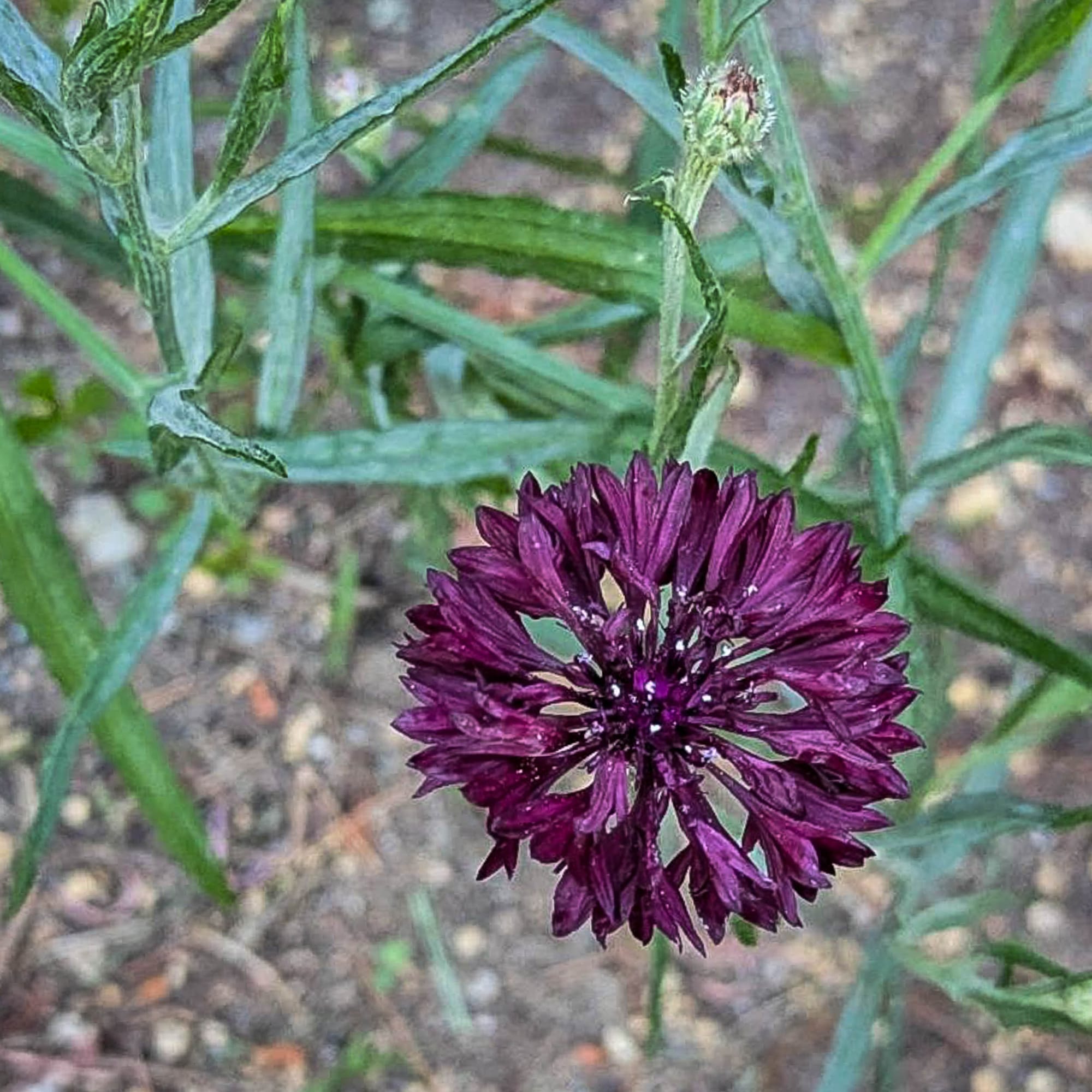
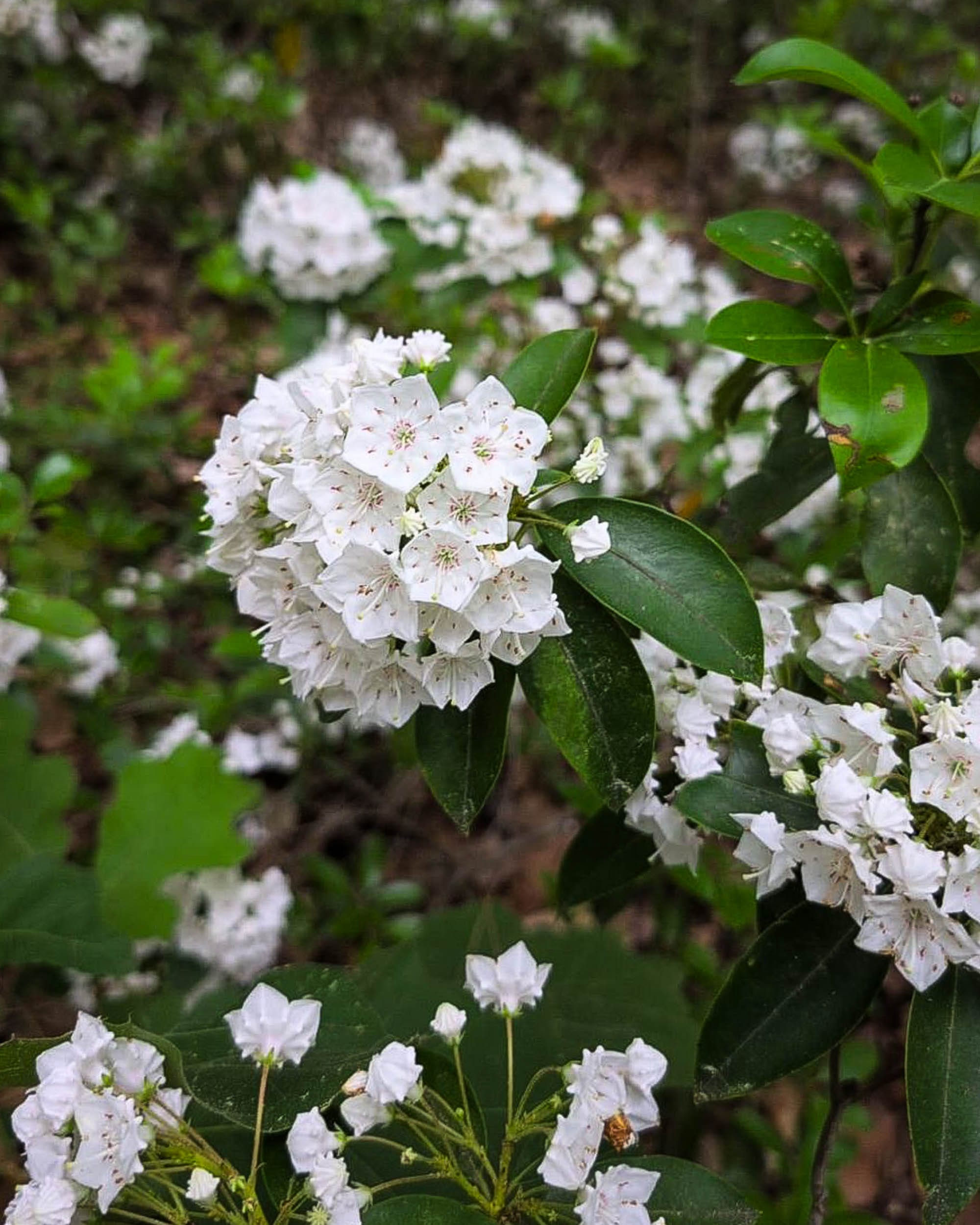
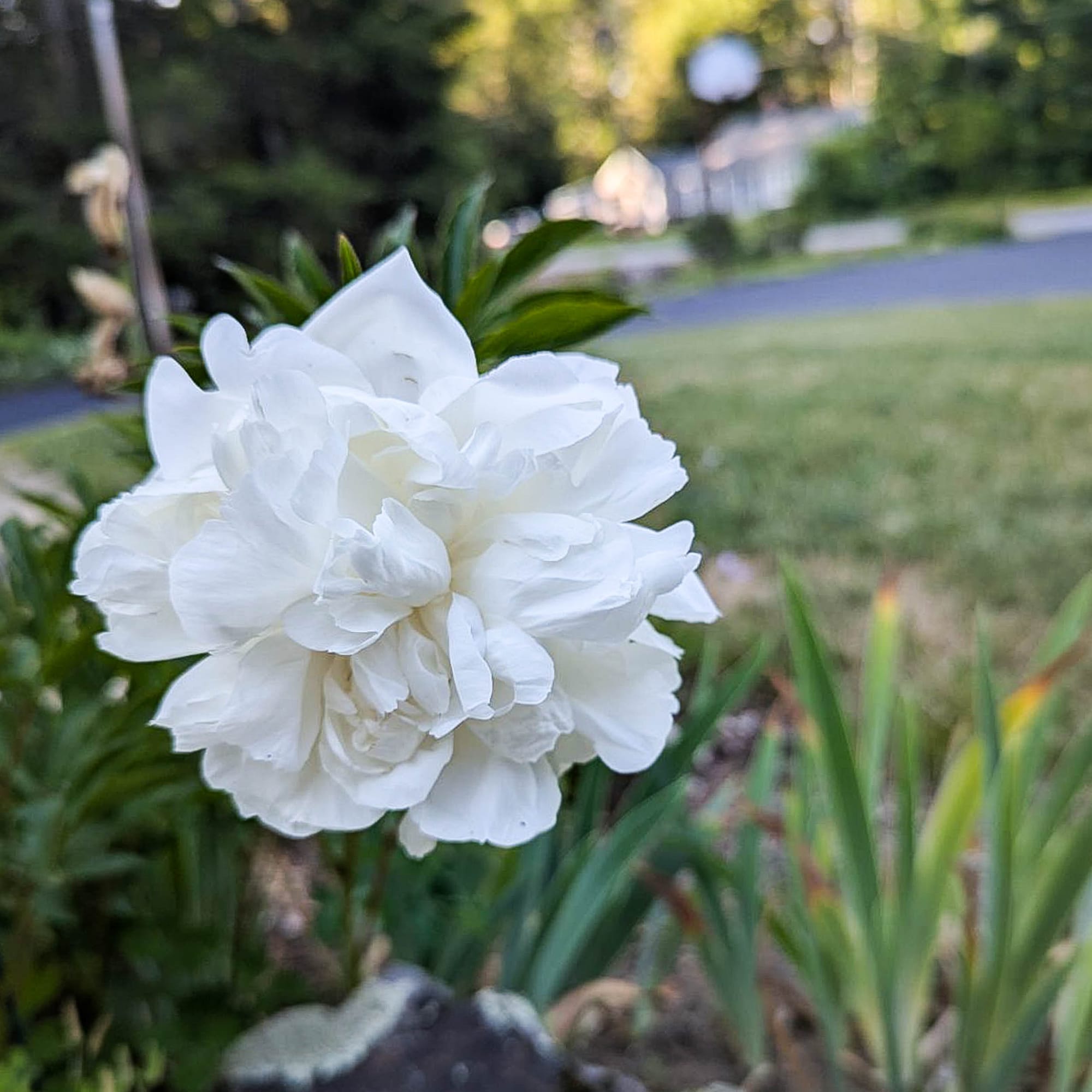
Enough pest talk let’s talk blooms! While many peonies are starting to pass by, my white peonies are just getting started and they are lovely. My cornflowers that were wintersown are showing off, which is exciting for me–I’ve never grown them before and it’s my first attempt at wintersowing. But the real showstopper? The Mountain Laurel! They are so beautiful this year. Many of our local wooded hiking trails have Mountain Laurel. Do yourself a favor and go scouting for some!
One last note, Nashua Farmers’ crew will be going on vacation from July 1st through the 14th. Come and grab any garden essentials or animal feed needs by June 29th!
Kate Ratta is the manager of the local feed store Nashua Farmers' Exchange, Inc. She has more than 10 years of experience working in the business owned by her aunt and uncle, Judy Ratta-Harrington and Gene Harrington, and will be contributing weekly garden reports. The store is located at 38½ Bridge Street in Nashua in the converted Boston & Maine and Concord Railroad station.