
Do you track your reading? Do you log books in an app or write titles in your planner or notebook? A spreadsheet? Do you color a section of a cute bookmark every time you finish something? Do you rate books or just collect them? Do you post to social media to share your thoughts or maybe to enjoy the time hop of your reading past for the future? Do you text a friend to discuss?
Tracking reading is a deeply personal choice. It helps you keep a book list, reach personal goals, and build consistent reading habits. But it also can seem like a chore, become time consuming, and lead to comparison. For children especially, the act of recording their reading can suck the joy right out of the experience. Why do you want to track your reading? What are you hoping to gain from the experience?
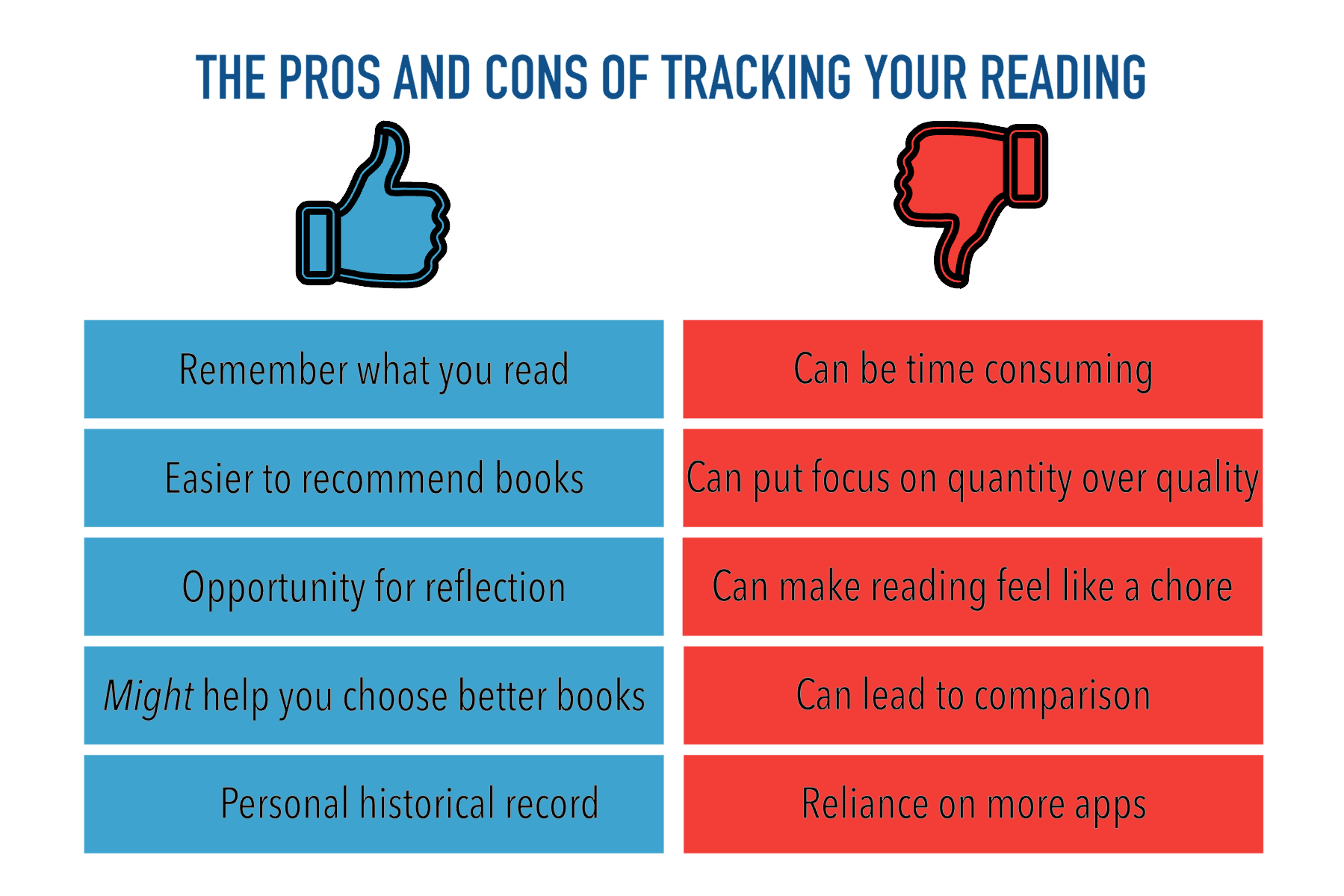
Tracking vs. not tracking reads is something Erin has always been on the fence about. She finds Goodreads overwhelming and mostly uses it for recommendations for her teens, but she does go through phases of logging reads in a notebook. No ratings, just a handwritten log per month for a random assortment of months when she finds motivation. She started it because a certain parent at baseball games was always pulling out her phone to consult her Goodreads so they could discuss books. According to her notebook, Erin was mostly concerned with the number of books she read each month/year, even though she never actually set a goal.
Anyone with a neurodivergent kind of brain can understand the appeal of tracking very well and has probably tried several different shiny methods of doing so, but for Emilee, none of them ever stuck. Now that a lot of Emilee’s reading happens through audiobook apps, being able to pull up the historical data is extremely useful for some of the reasons listed above: being able to keep a personal record and recommend books, find similar titles, or even check on that series that was supposed to have another book released and what was that called again???
Recently, Erin’s niece turned her on to a new mood-based app called StoryGraph. It’s a smaller, Amazon-free alternative that features a journal, custom tags, book clubs, half and quarter star recommendations, content warnings, challenges, a queue, and much more. You can even transfer your Goodreads data! Erin spent an afternoon of vacation inputting her 2026 reads, which were hanging out in her planner. She loved the option to add DNF (did not finish), which is one thing she does usually note, since it helps her understand what books she has tried and didn’t like, but what she most enjoyed was the pretty graph of her reading moods.
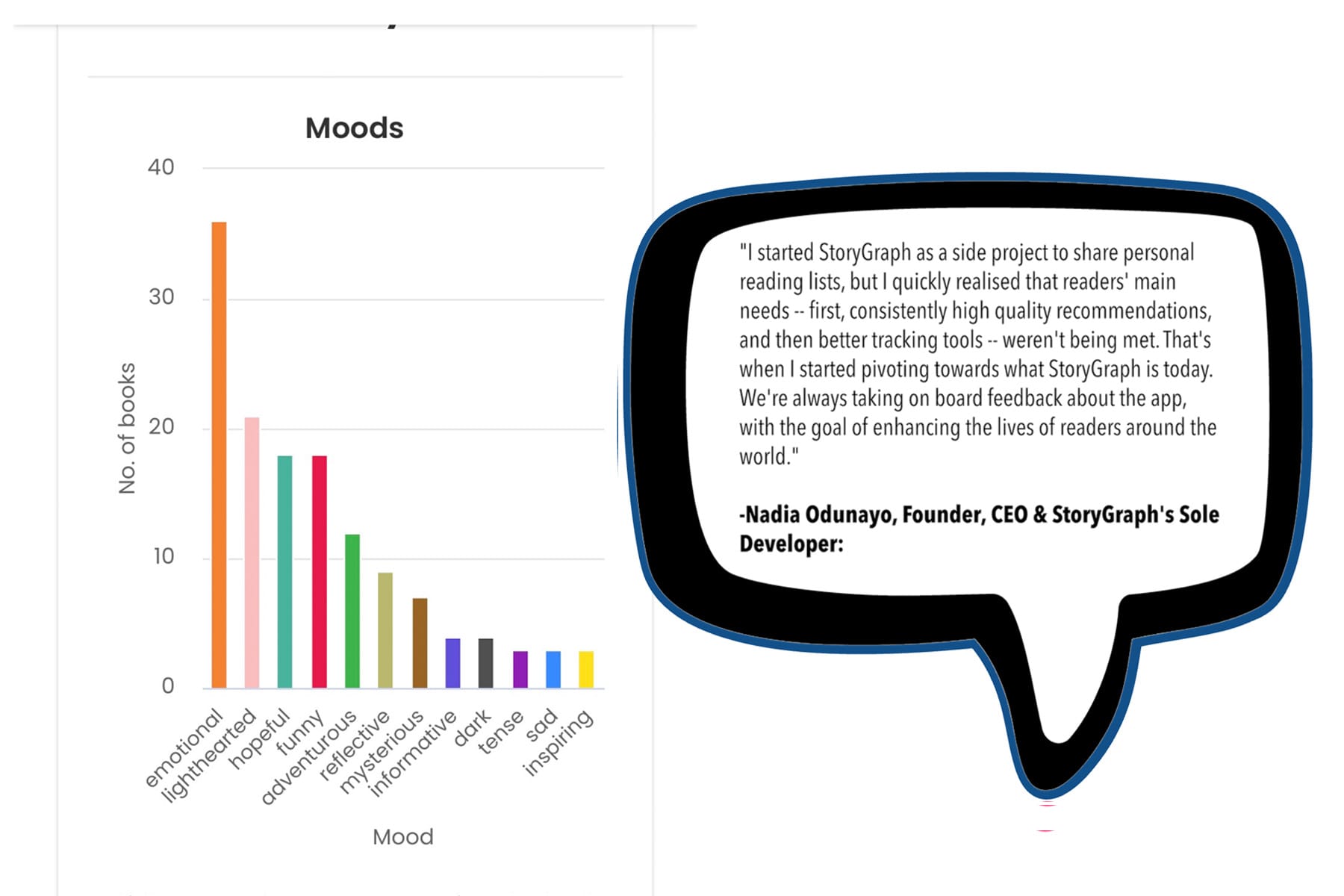
Erin already knew that her post-COVID reading was skewed to the happy side, but it was interesting to see everything laid out. She can’t wait to see how her graph changes (or doesn’t) when she finds time to input reads from other years, even though she doesn’t rate anything. As someone who is recently off the social media sauce, StoryGraph offers an opportunity to see what friends are reading without the mindless scrolling of Instagram. So far Erin has two friends (her niece and sister-in-law), and it has been great to chat about books and see what they are reading since they live far away.
Tracking reading for kids is a slightly different story, since they don’t have as much access to apps. For many schools and especially summer library programs, kids have to track how many books or how many minutes they read, perhaps on a pre-made tracker or calendar. Some school districts and public libraries use an app called Beanstack for tracking and incentivizing reading. Challenges can be created and shared that are for specific times of life, like the “1,000 Books Before Kindergarten” challenge, or for specific times of year, like “March Madness Challenge” or “Summer Reading Challenge.”
Kids can track their reading and earn badges for reading or reading-related activities. These can sometimes make reading feel like a bit of a competition (at least at Erin’s house). In our school library, we offer (optional) coloring bookmarks a few times a year for kids to take home and color in a book or a box every time they finish something. We use these bookmarks from one of our favorite librarians, @thebookwrangler. For some kids, this is a joy, and for others it is a chore. Just like adults, it is a personal choice.
Bottom line, whether you track or you don’t track, rate or don’t rate, the choice is yours. Enjoy your reading, enjoy your life.
The Reliable Narrators is a column about reading and books for readers and non-readers, alike from two moms who also happen to be educators and library personnel. Emilee Williamson and Erin Roth are a school-proclaimed “dynamic duo” who love kids, books, and hosting gatherings in the library. You can expect conversations about reading (for yourself and your loved ones), book and media recommendations, and the occasional recipe inspired by a current read.